
Personalized Nutrition Based on Genetic Data

Personalized Nutrition Based on Genetic Data

Imagine a diet that learns from your DNA and adapts as you do. Personalized nutrition based on genetic data is reshaping how we think about meals, supplements, and daily routines. It is not a magic switch that fixes every health goal, but a powerful tool that, when combined with lifestyle, lab markers, and personal preferences, can help you optimize energy, metabolism, and overall well being. At idna.works we are passionate about decoding your genes to support sustainable nutrition that fits your unique biology.

What is personalized nutrition and nutrigenomics

Personalized nutrition is the practice of tailoring dietary guidance to an individual’s genetic makeup, lifestyle, and environment. It sits at the intersection of nutrition science and genetics, a field often called nutrigenomics and nutrigenetics. In simple terms:

  • Nutrigenetics focuses on how genetic variants influence responses to nutrients.
  • Nutrigenomics studies how nutrients can affect gene expression and metabolic pathways.

Together they form a framework for understanding why two people with similar diets might experience different outcomes. The goal is to use genetic data to inform choices about macro and micronutrients, meal timing, and supplementation while recognizing that genes are one part of a much larger system.

How genetic data informs dietary choices

Genetic information can guide several practical decisions:

  • Identify potential sensitivities or requirements for certain nutrients
  • Predict patterns of fat storage, carbohydrate handling, and protein utilization
  • Screen for variants that influence nutrient metabolism and needs
  • Support decisions about supplementation and fortification

However, the evidence for individual gene effects varies. Many traits are polygenic, meaning they are influenced by many small effects across the genome. A robust personalized nutrition plan uses genetic data as one input among many, including clinical labs, body measurements, activity level, gut health, and medical history.

The science behind genotype based nutrition

Genotype based nutrition uses specific variants in our DNA to infer possible nutritional needs or responses. It is important to distinguish between strong evidence and emerging signals.

Key genetic variants that influence nutrient metabolism

  • APOE variants and lipid metabolism: Different APOE alleles can influence how the body handles fats and cholesterol. For some people, fat composition and overall fat intake may be more impactful than for others. This can inform lipid friendly dietary patterns and monitoring.
  • MTHFR and folate metabolism: Certain MTHFR variants can affect folate metabolism efficiency. This topic highlights the value of ensuring adequate folate intake and considering folate status in guidance for individuals with risk variants.
  • BCMO1 and vitamin A conversion: Variants in BCMO1 can influence how efficiently beta carotene from plants is converted to active vitamin A. This can shape plant based dietary planning and the need for preformed vitamin A in the diet.
  • FTO and energy balance: Some signals link FTO variants with appetite regulation and energy intake. Understanding this can support strategies around portion control and meal structure.
  • TCF7L2 and glucose metabolism: Variants in this gene are associated with how the body responds to carbohydrates and insulin dynamics. This can influence carbohydrate quality and timing in meals.
  • GC and vitamin D status: Variations in the GC gene can affect vitamin D binding and circulating levels, informing strategies for sun exposure, supplementation, and dietary sources.
  • TMPRSS6 and iron metabolism: Certain variants can influence iron absorption and transport, guiding iron rich foods and supplementation when needed.

These variants represent focal points in genotype based nutrition, but most individuals will have multiple variants interacting to shape their response. The real power comes from polygenic scores and an integrated view rather than relying on a single gene.

Macronutrients and micronutrients targeted by genetic insights

  • Carbohydrates: Genetic signals can shape how the body handles glucose and insulin response, guiding the balance of high fiber carbohydrates, timing of meals, and overall carbohydrate quality.
  • Fats: Variants linked to lipid handling can influence saturated versus unsaturated fat choices, omega 3 intake, and overall fat distribution strategies.
  • Proteins: Genetic insights can point to protein requirements and amino acid balance that align with muscle health and satiety.
  • Vitamins and minerals: Genes involved in folate, vitamin D, iron, vitamin A, and other nutrient pathways can affect how much of these nutrients you may prioritize through diet or supplementation.

It is important to remember that gene based nutrition is not a fixed prescription. Diet decisions should adapt as new data become available and as your body changes over time.

How to use genetic data to personalize your diet

Implementing genotype based nutrition involves a practical, step by step approach.

Step by step guide to building a personalized nutrition plan

  1. Access and secure your genetic data: You can obtain data from sequencing or genotyping services. If you already have raw data, you can work with a qualified professional or a trusted platform to interpret the results responsibly.
  2. Assess the strength of the evidence: Not all genetic associations have the same level of evidence. Favor nutrient interactions with replicated research and clear clinical relevance.
  3. Combine with phenotypic data: Use current blood work, body composition, energy levels, sleep quality, and activity data. Genetics adds context but does not replace measurements.
  4. Create a plan with clear targets: Define macronutrient distribution, micronutrient goals, and timing that align with your goals such as energy, performance, heart health, or aging concerns.
  5. Implement gradually and monitor: Try a structured trial of dietary changes and track outcomes like energy, mood, weight, lipid markers, and glucose response where available.
  6. Reassess and adjust: Revisit your plan as you gather data and as new research emerges. Personal nutrition is a dynamic process.
  7. Seek professional guidance: A registered dietitian or nutrigenomics expert can help interpret results and tailor recommendations to your lifestyle and health needs.

Practical applications and meal planning ideas

  • APOE carriers may benefit from a focus on heart healthy fats, plant based proteins, and regular lipid monitoring. This does not mean avoiding fats entirely but choosing quality fats and balancing meals.
  • MTHFR related guidance often emphasizes adequate folate intake from natural sources and, in some cases, supplementation with methylfolate when clinically indicated. Always consult a clinician before starting new supplements.
  • BCMO1 influenced styles may benefit from including vitamin A rich foods in forms that improve absorption, particularly for individuals who rely heavily on plant carotenoids for vitamin A.
  • FTO related insights can support structured meal timing and portion control strategies to help with energy balance.
  • TCF7L2 signals can guide carbohydrate quality choices such as emphasizing fiber rich, low glycemic index foods to support stable glucose handling.
  • GC variants may encourage mindfulness about vitamin D sources, sun exposure, and supplementation if needed after discussing with a clinician.
  • TMPRSS6 information may influence iron rich foods and, if necessary, iron status monitoring through standard lab tests.

Practical meal planning tips

  • Build meals around whole foods with quality proteins, vegetables, and healthy fats.
  • Choose complex carbohydrates with fiber and low glycemic impact.
  • Use a simple color coded plate method to ensure micronutrient diversity.
  • Include a regular pattern of meals to support metabolic consistency.
  • Consider strategic supplementation only after lab assessment and professional guidance.

Ancestry tests and nutrition: mtDNA and Y DNA in context

Some genetic tests used for ancestry report maternal lineage via mtDNA and paternal lineage via Y DNA. While these markers are valuable for tracing ancestry, their direct relevance to current dietary needs is limited. Some consumer providers may claim ancestry based health insights, but the evidence linking mtDNA and Y DNA variants to modern nutrition is far from established. For practical nutrition planning, focus on well supported nutrient metabolism variants and polygenic risk scores rather than ancestry results alone.

Distinguishing ancestry insights from nutritional guidance

  • Ancestry tests trace lineages, not functional nutrient responses in most cases.
  • Nutritional guidance should rely on validated gene nutrient interactions and clinically relevant data.
  • If ancestry data is included, use it to inform potential ancestry related dietary patterns only as a secondary consideration, not as the primary reason to change your diet.

The role of the microbiome and environment

Genes do not operate in isolation. The gut microbiome interacts with host genetics to influence digestion, nutrient absorption, immune function, and metabolic health. Key ideas:

  • Your microbiome can modulate how you metabolize fiber, fats, and certain micronutrients.
  • Diet shapes the microbiome, which in turn can affect energy harvest and inflammatory markers.
  • A comprehensive plan combines genetic insights with microbiome friendly strategies such as a diverse plant rich diet, resistant starch, and adequate prebiotic fiber.

In practice, data from genetic testing should be viewed alongside microbiome assessments when available, and always in the context of overall lifestyle and health objectives.

Practical considerations, limitations and controversies

Evidence quality and clinical utility

  • Some gene nutrient interactions have strong evidence, especially in well studied pathways.
  • Many associations are moderate to preliminary and require replication in diverse populations.
  • Do not expect single gene results to explain complex traits like weight or heart disease risk.

Privacy and data security

  • Genetic data is highly sensitive. Use platforms with strong privacy policies, consent controls, and data deletion options.
  • Be mindful of how data is shared with apps, labs, or third party services.

Interpretation challenges and risk of overfitting

  • Over interpreting a single variant can mislead. Polygenic approaches and clinical context reduce this risk.
  • Combine genetic data with lab measurements and lifestyle data for a balanced plan.

Ethical considerations

  • Access to genetic information should be equitable.
  • Be aware of potential psychological impacts of learning genetic information and ensure support when needed.

How idna.works translates genetics into nutrition

idna.works focuses on turning genetic data into practical nutrition guidance that fits real life. Our approach includes:

  • Clear education on nutrigenomics and how to interpret results in everyday meals.
  • A practical framework for incorporating genetic insights into meal planning and supplementation when indicated.
  • Tools to track dietary changes, monitor outcomes, and adapt plans based on data and preferences.
  • Emphasis on privacy, consent, and secure handling of genetic information.

Our goal is to empower you to make informed choices that support your wellbeing without overwhelming you with technical jargon.

Case studies and real world scenarios

  • Case 1: A middle aged adult with moderate cardiovascular risk uses APOE informed guidance to focus on heart healthy fats, plant based proteins, and a fiber rich diet with regular lipid monitoring. After a few months, lipid profiles improve and energy is steadier.
  • Case 2: A young adult with concern for carbohydrate tolerance uses TCF7L2 related insights to prioritize high fiber carbohydrates, balanced portions, and a consistent meal schedule, resulting in better energy stability and less post meal fatigue.
  • Case 3: An individual with higher iron needs, guided by TMPRSS6 related information, incorporates iron rich plant and animal foods and screens ferritin and transferrin saturation to maintain healthy stores.

These scenarios illustrate how genetic data can inform practical decisions, while recognizing that outcomes depend on consistent lifestyle habits and medical supervision when needed.

Getting started with personalized nutrition at idna.works

If you are curious about genotype based nutrition, here is a simple starting plan:

  • Step 1: Gather your genetic data from a trusted source and verify that it includes SNP level information relevant to nutrition.
  • Step 2: Review results with a nutrigenomics expert to identify high confidence nutrient guidance.
  • Step 3: Align dietary changes with clinical lab data such as lipid panels, iron status, and vitamin D levels.
  • Step 4: Create a practical meal plan that reflects your goals, preferences, and schedule.
  • Step 5: Track progress for 8 to 12 weeks and adjust as needed.

At idna.works we provide educational resources, practical guidelines, and supportive tools to help you translate genetic insights into sustainable nutrition actions.

A starter 7 day plan for genotype based nutrition

  • Day 1 to Day 3: Focus on nutrient dense meals with high fiber, healthy fats and lean proteins. Track how meals influence energy levels and digestion.
  • Day 4 to Day 5: Explore potential vitamin A and carotenoids balance based on BCMO1 insights; ensure a mix of plant sources and, if needed, preformed vitamin A in safe amounts.
  • Day 6: Assess iron intake with evidence based guidelines, particularly if you have variants linked to iron metabolism; emphasize iron rich foods and digestion friendly choices.
  • Day 7: Review results, adjust portions, and plan for the next week with a aim to stabilize energy, mood, and satiety.

This starter plan is a seed for more personalized plans. Your actual plan should be tailored to your data and goals.

The future of personalized nutrition

The field is evolving rapidly as more robust studies and large scale analyses emerge. The integration of nutrigenomics with other data streams such as metabolomics, proteomics, and microbiome profiling holds promise for more precise and dynamic dietary guidance. The best approach is to view genetic data as a useful compass rather than a definitive map, using it to guide thoughtful experimentation, professional guidance, and ongoing learning about your body.

Final thoughts

Personalized nutrition based on genetic data can illuminate pathways for enhancing energy, metabolic health, and overall wellbeing. When used responsibly, it adds a scientifically grounded layer to your health plan. Remember that genes are part of a broader system that includes lifestyle, environment, and medical history. Integrity in data interpretation, privacy awareness, and collaboration with qualified professionals are essential to making genotype based nutrition work for you.

If you are ready to begin your journey, explore how idna.works can help you translate your genetic data into practical, sustainable nutrition strategies that fit your life.
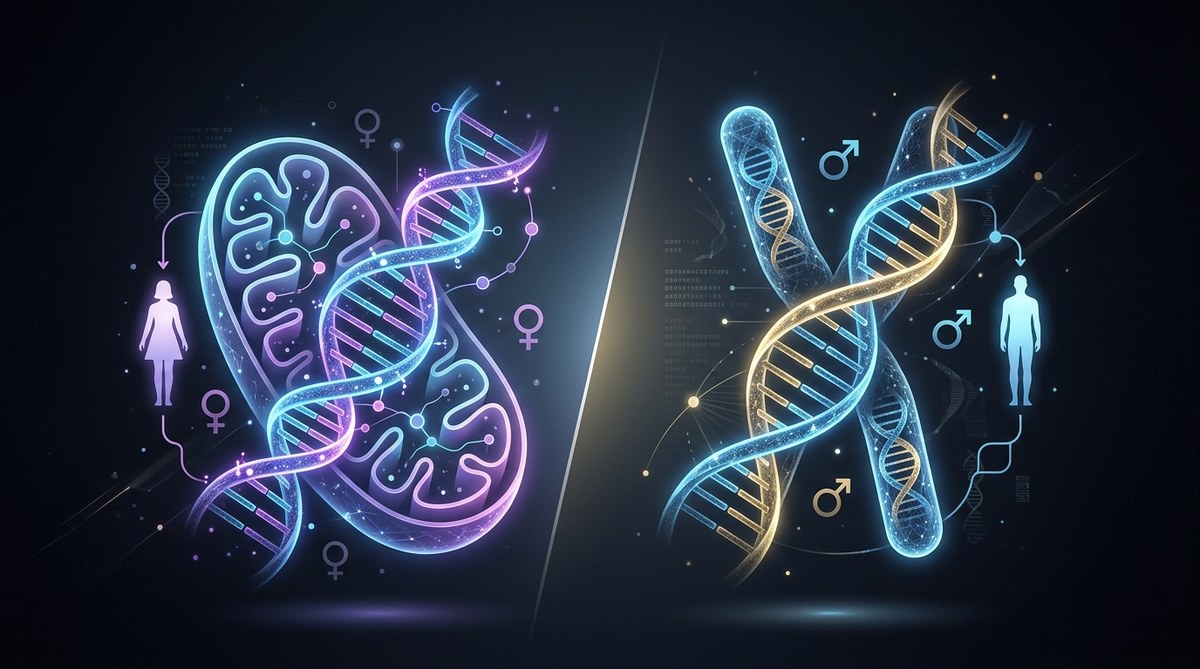

mtDNA vs Y-DNA: Key Differences for Ancestry

mtDNA vs Y-DNA: Key Differences for Ancestry

If you have ever wondered where your ancestors came from, mtDNA and Y-DNA tests offer two different paths into your family story. One path follows your mother’s mother and keeps marching along the maternal line, while the other traces your father’s line. Both tests can add depth to your family tree, and when used together with autosomal DNA they create a more complete map of your origins and even clues about health and well being. In this guide we break down how mtDNA and Y-DNA work, what they can and cannot tell you, and how to decide which test fits your goals.

mtDNA and Y-DNA explained

What is mtDNA

Mitochondrial DNA, or mtDNA, lives in the mitochondria within cells. Unlike the DNA found in the nucleus, mtDNA is inherited almost unchanged from mother to child. Because every person gets their mtDNA from their mother, it creates a direct maternal line that can be traced far back in time.

Key points about mtDNA:
– It is inherited from the mother to all her children, but only daughters pass it on to the next generation, making a matrilineal family line.
– mtDNA changes slowly over generations, which helps researchers look further back in time.
– The test typically focuses on mitochondrial DNA variants and haplogroups, not on the entire mitochondrial genome unless you opt for full mtDNA sequencing.
– It is especially useful for tracing ancient maternal ancestry and for studying population movements over thousands of years.

What is Y-DNA

Y-DNA comes from the Y chromosome, which is present only in people assigned male at birth. Since the Y chromosome is passed almost unchanged from father to son, it provides a male line of descent.

Key points about Y-DNA:
– It traces the paternal line from father to son and is only available if you test a male or a male relative who shares that line.
– Like mtDNA, Y-DNA changes slowly, but its mutations accumulate in ways that help map more recent to ancient paternal lineages.
– Y-DNA results are often presented as haplogroups that map to geographic and historical patterns of male ancestry.
– It is particularly informative for reconstructing recent to ancient paternal family stories and for understanding regional origins of the male line.

How these tests are inherited

Mitochondrial inheritance patterns

  • Every person receives their mitochondria from their mother.
  • Only daughters pass mtDNA to the next generation; sons do not pass it on.
  • Because the mtDNA line is not shuffled every generation, it acts like a single branch of your family tree that can extend far back in time.

Y chromosome inheritance patterns

  • The Y chromosome is transmitted from father to son.
  • It remains relatively stable across generations with occasional mutations that create new haplogroups.
  • If you are not male or do not have a direct male paternal line to test, you may need a close paternal relative to gain Y-DNA insights.

What you will learn from each test

From mtDNA you will learn

  • The maternal lineage deep into the past, sometimes revealing ancient migrations or settlements.
  • The mtDNA haplogroup which can be linked to broad geographic regions and population histories.
  • Clues about maternal ancestry that complement other genetic sources.

From Y-DNA you will learn

  • The paternal lineage deep into time, revealing how paternal ancestors moved and mixed across regions.
  • The Y-DNA haplogroup which guides you toward the geographic origin of male ancestors.
  • Insights into surname traditions and male line connections when combined with genealogical records.

Strengths and limitations

Strengths

  • Deep time perspective: Both mtDNA and Y-DNA can reach far back and reveal lineages that autosomal DNA cannot resolve.
  • Clear maternal or paternal lines: These tests provide a focused view on one branch of your family tree.
  • Geographical inference: Haplogroups offer hints about where ancestral populations once lived and moved.

Limitations

  • Narrow scope: They cover only one line of your ancestry each and do not reflect your entire family story.
  • Limited health information: Most mtDNA and Y-DNA tests are genealogy centric, not comprehensive health assessments.
  • Testing gender constraints: Y-DNA requires a male tester or a male relative along the paternal line to the extent you want to trace that line.
  • Resolution varies: Some haplogroups are broad and can be less informative about recent ancestry compared to autosomal or X-DNA data.

How to use mtDNA and Y-DNA with autosomal DNA

  • Combine multiple sources: Use mtDNA and Y-DNA to anchor maternal and paternal lines, then fill in gaps with autosomal DNA which reflects the mixed heritage from all ancestors.
  • Build a timeline: Haplogroup information can be used with historical records to construct a timeline of migrations and settlements.
  • Cross verify findings: If autosomal matches point to a region, mtDNA and Y-DNA can help validate whether your maternal or paternal lines align with those geographic sources.
  • Complement with family records: Use genealogical documents alongside genetic data to trace branches that match your genetic signals.

Choosing the right test for your goals

  • If your goal is to understand deep maternal lineage and ancient population movements, mtDNA testing is a strong choice.
  • If you want to map the direct paternal line and you have access to a male on that line, Y-DNA testing is ideal.
  • If you are pursuing a broad sense of ancestry and health insights, you may want to include autosomal DNA testing as part of your strategy.
  • For those with limited access to a paternal male line, there are alternative approaches such as testing a close male relative or using advanced autosomal analyses to infer paternal connections.

Practical steps to get started

  1. Define your goals:
  2. Do you want to explore maternal heritage or paternal lineage or both?
  3. Are you primarily curious about ancient migrations or more recent family connections?
  4. Check your gender and resources:
  5. If you are male or have a direct paternal male relative available, Y-DNA is a viable option.
  6. If you want to keep tracing a mother line, mtDNA is accessible regardless of gender.
  7. Decide on the depth of testing:
  8. For most hobbyist genealogy, haplogroup level tests work well.
  9. For deeper insights, full mtDNA or Y-DNA sequencing may be worth the investment.
  10. Plan how to integrate results:
  11. Prepare a simple family tree and a list of known relatives who share lines you plan to explore.
  12. Create a workflow to compare mtDNA and Y-DNA results with autosomal matches you already have.
  13. Prioritize privacy:
  14. Review consent options and data sharing settings on testing platforms.
  15. Consider how you want to share or keep your results with family members.

Health and well being connections

  • mtDNA can inform on energy production pathways and mitochondrial function, which are linked to metabolism and aging processes.
  • Certain mtDNA variants and haplogroups have been studied in relation to disease risk, longevity, and responses to environmental stressors. However, keep in mind that many health associations are population based and require further validation for individual health decisions.
  • Y-DNA can provide context about paternal ancestry and regional genetics, which may intersect with population level health trends. Yet it is not a stand alone predictor of health outcomes for an individual.
  • For personalized health plans, pair mtDNA and Y-DNA insights with autosomal DNA data and lifestyle factors such as diet, exercise, sleep, and stress management.

Important note: While genetic information can empower you to tailor wellness strategies, it should not replace professional medical advice. Use genetic insights as one part of a broader health plan that includes clinician guidance and evidence based lifestyle choices.

Privacy and ethics

  • Your genetic data is sensitive information. Review a testing company’s privacy policy, data sharing options, and consent terms before you enroll.
  • Consider whether you want to participate in third party data sharing programs or research studies.
  • If you share results with family, discuss potential implications for relatives who share these lines.

Frequently asked questions

Do mtDNA and Y-DNA tests tell me about health

In general, mtDNA and Y-DNA tests focus on ancestry and lineage. They are not comprehensive tools for diagnosing health conditions. Some studies connect certain haplogroups with population level trends but these are not precise health predictions for individuals. For personal health planning, rely on clinical tests and consult healthcare professionals.

Can mtDNA or Y-DNA pinpoint my exact origin

These tests provide geographic and population level signals rather than exact locations or names. They can indicate probable regions or lineages in deep history, but precise origin stories require corroborating genealogical records and autosomal data.

Is the test gender dependent

mtDNA works for everyone because it follows the maternal line. Y-DNA requires a male tester or a close male relative to reveal the paternal line, as the Y chromosome is present only in males.

How should I interpret haplogroup results

Haplogroups map to historical populations and geographies. They reveal broad patterns rather than a precise modern day location. Use haplogroup information alongside documentary genealogies and autosomal matches to enrich your story.

Should I run mtDNA and Y-DNA at the same time

If you want both patrilineal and matrilineal perspectives, testing both can be informative. Keep in mind cost and the need for a male for Y-DNA if you do not have one available in your family.

Bringing it all together

mtDNA and Y-DNA offer complementary windows into your family story. By focusing on maternal and paternal lines respectively, these tests fill in gaps that autosomal DNA alone cannot cover. For readers of idna.works who are passionate about decoding their genes to improve well being, combining mtDNA or Y-DNA insights with autosomal results and healthy living choices can create a richer, more actionable view of your ancestry and its possible influence on your health today.

If you are ready to embark on this journey, start with a clear goal, choose the test that fits your family structure, and plan a strategy to weave together time tested genealogical records with modern DNA science. Your roots are waiting, and a well designed approach can help you trace them with confidence while supporting your overall wellness journey.

DNA Testing Explained: What You Can Learn About Your Health

DNA Testing Explained: What You Can Learn About Your Health

DNA testing is no longer a mystery hidden behind lab walls. Today, a simple sample can unlock insights about your health, nutrition, and even how your body might respond to medications. At iDNA.works we believe decoding your genes is a powerful tool for well being, not a one size fits all solution. This guide explains what DNA testing can reveal about your health, how the tests work, the difference between ancestry and health focused tests, and how to take meaningful action based on your results.

What DNA Testing Is and Why It Matters for Your Health

DNA testing, in its most practical sense, looks for changes or variations in your genetic material that can influence how your body works. These changes can inform medical care, guide personalized wellness plans, and offer a window into your biological history. While some results indicate clear risks, others point to protective factors or areas where lifestyle choices can make a big difference.

Key ideas to keep in mind:
– DNA testing is a tool for information, not a crystal ball. Many results come with uncertainty or nuance.
– Tests can be designed for different goals, from diagnosing a suspected condition to predicting response to a medication or identifying ancestry lineages.
– The quality and interpretation of results depend on the test type, the lab that runs it, and the clinical context in which you use it.

The Core Types of DNA Tests

Genetic Testing

Genetic testing focuses on specific genes or small panels of genes. It can detect variations that cause single gene disorders, carry risk for certain conditions, or reveal how a gene is functioning in your body. There are two broad paths:
– Diagnostic or predictive testing for a known condition or risk
– Carrier testing to see if you carry a variant that could affect a future child

Genetic Testing Panels

Panels test multiple genes at once and are often used when a health professional suspects a group of related disorders. They can be comprehensive or targeted to a particular symptom or family history. Benefits include faster results and broader screening than a single gene test, but they can also reveal variants of uncertain significance that require expert interpretation.

Exome and Genome Sequencing

  • Exome sequencing focuses on the coding parts of the genome, which are where many disease related changes occur.
  • Genome sequencing reads the entire genome and can detect variants outside coding regions as well. These tests can uncover information beyond a single medical concern and are increasingly used when searching for complex or unclear conditions.

Genome Mapping and Chromosomal Testing

Chromosomal testing looks at the structure and number of chromosomes. It can reveal larger genetic changes such as duplications, deletions, or rearrangements that underlie certain conditions. This category is important when a clinical presentation suggests a broader genomic issue rather than a single gene.

mtDNA and Y-DNA Testing

  • mtDNA tests examine mitochondrial DNA, inherited strictly through the maternal line. They can trace maternal ancestry and sometimes reveal maternal lineage related health information.
  • Y-DNA tests examine the Y chromosome, inherited along the paternal line. They can trace paternal ancestry.
    Both mtDNA and Y-DNA tests are primarily used for lineage tracing. They may offer some health related insights in rare cases but are not first line tools for diagnosing health risks. In the iDNA.works framework these tests are part of the heritage story but are typically secondary to health focused testing.

Pharmacogenomics

Pharmacogenomics studies how your genes influence your response to medicines. Knowing your genetic makeup can guide drug choice and dosing to improve safety and effectiveness. This field is especially valuable when managing chronic conditions or starting new therapies.

Ancestry versus Health Testing

Direct to consumer tests marketed for ancestry can unintentionally reveal health related information. When your goal is wellness and prevention, it is important to choose tests designed for health insights and to interpret ancestry results with caution. Always consider professional guidance to translate genetic information into practical steps for health and nutrition.

How DNA Tests Are Done

Sample Collection

Most tests begin with a simple sample, such as saliva, a cheek swab, or occasionally a blood draw. Saliva and swabs are common for consumer oriented tests, while clinical tests might require blood or other tissues.

Laboratory Processing

Samples are securely shipped to CLIA certified or equivalent laboratories. There, DNA is extracted and analyzed using methods such as SNP genotyping, sequencing, or chromosomal microarray. The exact method depends on the test type and the health questions being asked.

Data Interpretation

The lab identifies genetic variants and compares them to reference databases. For health tests, professionals interpret which variants are clinically meaningful, how they alter disease risk, and what actions might be taken. Interpretation can be complex, especially when a variant has uncertain significance.

Reporting and Counseling

Results are reported in a format tailored to the test type. Clinical tests usually come with genetic counseling or clinician support. Direct to consumer reports are more consumer friendly but may require a healthcare professional for full interpretation.

What DNA Testing Can Tell You About Your Health

DNA testing provides a spectrum of information that can influence your wellness decisions. Here are common outcomes you might encounter.

  1. Disease risk and predisposition
  2. Some variants are associated with higher risks for certain well known conditions.
  3. It is important to understand that risk is probabilistic, not deterministic. A variant does not guarantee you will develop a disease, and many people with high risk never get the condition.

  4. Diagnostic support

  5. For people with unclear symptoms, genetic tests can help confirm a suspected diagnosis or suggest a different path for evaluation.

  6. Carrier status

  7. Carrier tests identify if you carry a variant that could be passed to a child. This is especially relevant for family planning.

  8. Pharmacogenomics

  9. Genetic information can influence which medications work best for you and at what doses. This can reduce adverse effects and improve outcomes.

  10. Wellness and lifestyle implications

  11. Some results point to actionable steps in nutrition, exercise, sleep, and anti aging strategies based on how your body metabolizes nutrients or responds to stress.

  12. Family planning and reproduction

  13. Beyond disease risk, certain genetic findings can inform reproductive options and early interventions.

  14. Ancestry context with health insights

  15. Some health reports alongside ancestry information can provide a broader view of your heritage and any population specific risks, though ancestry data should be interpreted cautiously.

Important caveats:
– Not all variants have clear clinical meaning. Many are variants of uncertain significance and require follow up.
– Environmental and lifestyle factors play a major role in outcomes. Genetics is only part of the story.

mtDNA and Y-DNA in Health and Heritage

mtDNA and Y-DNA testing have their roots in lineage tracing. They are powerful for building genealogies and understanding ancestral origins. When it comes to actionable health insights, their value is more limited. Here is how they relate to health and ancestry:

  • Maternal line tracing: mtDNA is inherited from your mother and can help identify maternal lineage and population origins.
  • Paternal line tracing: Y-DNA follows the paternal line and is only present in individuals with a Y chromosome.
  • Health relevance: In some very specific scenarios, mitochondrial DNA variations can be linked to certain mitochondrial disorders, but these are relatively rare and typically assessed in targeted clinical contexts rather than broad wellness testing.
  • Practical takeaway: If your main goal is wellness and disease risk assessment, mtDNA and Y-DNA tests are generally supplementary to genome oriented tests.

Pharmacogenomics and Personalization

Pharmacogenomics is one of the most actionable areas of DNA testing for health. By understanding how your genes influence drug metabolism, you can work with a clinician to:

  • Avoid drugs that are less effective or cause adverse reactions
  • Tailor dosing to optimize efficacy and safety
  • Understand potential drug interactions that may be influenced by genetics

Practical steps:
– If you start a new medication, share your genetic test results with your doctor.
– Use pharmacogenomic insights to guide conversations about treatment options.
– Recognize that drug response is multifactorial; genetics is one piece of the puzzle.

Reading a DNA Test Report and Turning Insight into Action

Interpreting genetic information can be challenging. Here are steps to make results actionable:

  1. Confirm the test type and scope
  2. Was it a single gene, panel, exome, or whole genome? Understand what was tested and what was not.

  3. Look for clinically meaningful findings

  4. Focus on variants labeled pathogenic or likely pathogenic by reputable laboratories and supporting guidelines. Variants of uncertain significance require careful interpretation.

  5. Review actionability

  6. Ask whether the result suggests a specific medical plan, lifestyle change, or further testing.

  7. Consider context

  8. Family history, age, current health status, and other risk factors matter when applying results to your life.

  9. Consult a professional

  10. Genetic counselors, clinicians, or nutrition experts can translate results into clear steps aligned with your goals.

  11. Plan follow up

  12. Some findings require periodic re analysis as databases update and scientific knowledge expands.

Risks, Privacy, and Ethics to Consider

  • Privacy and consent: Understand who can access your data and how it may be shared. Some direct to consumer tests share data with third parties for research or product development.
  • Incidental findings: Some tests may reveal unexpected information. It is important to know whether you can opt in or out of such results.
  • Accuracy and representation: Tests have limitations and may not capture every relevant variant, especially across diverse populations.
  • Genetic counseling needs: Complex results often require guidance from trained professionals to avoid misinterpretation.
  • Data security: Ensure the lab uses robust security measures and clear policies about retention and deletion of data.

How to Use Genetic Information for Health and Wellness

  • Nutrition and metabolism: Some tests indicate how you process fats, carbs, and certain vitamins, guiding personalized dietary choices.
  • Exercise and recovery: Genetic insights can inform training strategies and recovery approaches, though lifestyle remains a key factor.
  • Anti aging and longevity: Genetics can highlight potential vulnerabilities and areas where proactive wellness practices may slow down aging processes, but there is no magic bullet. Combine genetics with evidence based lifestyle choices for best results.
  • Sleep and stress responses: Some variants relate to circadian rhythms or stress responses. Use this information to tailor sleep hygiene and stress management practices.

Remember, iDNA.works emphasizes translating gene insights into practical steps for well being. DNA information is powerful when paired with good nutrition, regular physical activity, adequate sleep, and smart medical care.

When to Consider a DNA Test

  • You have a known family history of genetic disease and want to understand risk and screening options.
  • You are considering medication choices that may be influenced by your genetics.
  • You want a deeper look into how your body handles nutrients and supplements.
  • You are curious about ancestry alongside health insights but want to align expectations with the test type.

If you are unsure, start with a conversation with a healthcare professional or a genetic counselor who can explain what makes sense for your goals and help interpret results in the context of your overall health plan.

Choosing the Right Test for You

Selecting the right DNA test depends on your goals, budget, and how you plan to use the information. Here are practical guidelines:

  • Define your goals: Are you seeking disease risk information, pharmacogenomic data, reproductive planning, or personalized nutrition insights?
  • Understand the scope: Do you need a single gene test, a panel, exome, or whole genome? Remember that broader tests may reveal more information, including uncertain findings.
  • Check the setting: Clinical testing often includes genetic counseling. Direct to consumer tests may be faster and cheaper but require careful interpretation with professional support.
  • Consider ancestry vs health priorities: If ancestry is a factor, still prioritize health oriented tests if your goal is wellness and medical decision making.
  • Review privacy policies: Look for clear consent language, data usage details, and options to limit data sharing.
  • Talk to a professional: A genetic counselor or doctor can guide you on test selection, how to prepare, and how to act on results.

The Future of DNA Testing in Health

The field is moving toward more integrated and personalized approaches, including:

  • Polygenic risk scores: Combining many small genetic effects to assess disease risk with more nuance.
  • Multi-omics integration: DNA data paired with RNA, proteins, metabolites, and microbiome data to create a richer health picture.
  • Digital health and AI: Advanced analysis tools to interpret results and predict how lifestyle changes will influence outcomes.
  • More precise pharmacogenomics: Shifting from broad guidelines to drug choices perfectly tailored to your genetic makeup.

As science advances, DNA testing will likely become more accessible, accurate, and integrated into everyday wellness plans. The goal remains clear: empower individuals to make informed decisions that support long term health and vitality.

Practical Steps After Getting Your Results

  • Schedule follow up: Arrange a visit with a healthcare professional to review findings in the context of your health history.
  • Build a personalized plan: Work with a clinician or nutritionist to translate results into dietary tweaks, exercise plans, sleep strategies, and supplement considerations if needed.
  • Reassess periodically: Keep results in scope and stay updated as new research emerges. Some variants may change in significance as guidelines evolve.
  • Protect your data: Be mindful of privacy settings and understand how your data is used.

FAQs

  • Do all DNA tests predict illness?
    Not all tests can predict illness with certainty. Many tests identify risk variants that increase probability but do not guarantee disease. Use results as a guide in partnership with a healthcare professional.

  • Can I rely on a direct to consumer DNA test for medical decisions?
    For many situations a clinician guided approach provides the safest interpretation. Direct to consumer tests can be informative but should not replace professional medical advice for diagnosing or treating conditions.

  • Will my DNA results affect my insurance?
    Some countries have protections that limit the use of genetic information for insurance. Policies vary widely, so review local laws and coverage details before testing.

  • How often should I recheck my genetic information?
    Genetic knowledge is evolving. Reanalysis may be recommended when new guidelines or significant research updates emerge, or if your health status changes.

  • Is mtDNA or Y-DNA testing useful for health decisions?
    They are primarily useful for ancestry tracing. If your main goal is health information, focus on genome oriented tests and seek professional interpretation.

Final Thoughts

DNA testing offers a powerful avenue to understand how your genes influence health, nutrition, and the way your body handles medications. At iDNA.works we celebrate the promise of personalized wellness while acknowledging the limits of what genetic information can tell us. Use tests to inform lifestyle choices, guide conversations with health professionals, and empower yourself to take proactive steps toward a healthier future. The journey from gene to well being is a partnership between your DNA information, your daily habits, and the care you choose to pursue.

If you are curious about how DNA can help your unique path to anti aging, nutrition optimization, and personalized health tech, start with a clear goal, choose the right test for that goal, and seek expert interpretation to turn results into real improvements in your daily life.