
Personalized Nutrition Based on Genetic Data

Personalized Nutrition Based on Genetic Data

Imagine a diet that learns from your DNA and adapts as you do. Personalized nutrition based on genetic data is reshaping how we think about meals, supplements, and daily routines. It is not a magic switch that fixes every health goal, but a powerful tool that, when combined with lifestyle, lab markers, and personal preferences, can help you optimize energy, metabolism, and overall well being. At idna.works we are passionate about decoding your genes to support sustainable nutrition that fits your unique biology.

What is personalized nutrition and nutrigenomics

Personalized nutrition is the practice of tailoring dietary guidance to an individual’s genetic makeup, lifestyle, and environment. It sits at the intersection of nutrition science and genetics, a field often called nutrigenomics and nutrigenetics. In simple terms:

  • Nutrigenetics focuses on how genetic variants influence responses to nutrients.
  • Nutrigenomics studies how nutrients can affect gene expression and metabolic pathways.

Together they form a framework for understanding why two people with similar diets might experience different outcomes. The goal is to use genetic data to inform choices about macro and micronutrients, meal timing, and supplementation while recognizing that genes are one part of a much larger system.

How genetic data informs dietary choices

Genetic information can guide several practical decisions:

  • Identify potential sensitivities or requirements for certain nutrients
  • Predict patterns of fat storage, carbohydrate handling, and protein utilization
  • Screen for variants that influence nutrient metabolism and needs
  • Support decisions about supplementation and fortification

However, the evidence for individual gene effects varies. Many traits are polygenic, meaning they are influenced by many small effects across the genome. A robust personalized nutrition plan uses genetic data as one input among many, including clinical labs, body measurements, activity level, gut health, and medical history.

The science behind genotype based nutrition

Genotype based nutrition uses specific variants in our DNA to infer possible nutritional needs or responses. It is important to distinguish between strong evidence and emerging signals.

Key genetic variants that influence nutrient metabolism

  • APOE variants and lipid metabolism: Different APOE alleles can influence how the body handles fats and cholesterol. For some people, fat composition and overall fat intake may be more impactful than for others. This can inform lipid friendly dietary patterns and monitoring.
  • MTHFR and folate metabolism: Certain MTHFR variants can affect folate metabolism efficiency. This topic highlights the value of ensuring adequate folate intake and considering folate status in guidance for individuals with risk variants.
  • BCMO1 and vitamin A conversion: Variants in BCMO1 can influence how efficiently beta carotene from plants is converted to active vitamin A. This can shape plant based dietary planning and the need for preformed vitamin A in the diet.
  • FTO and energy balance: Some signals link FTO variants with appetite regulation and energy intake. Understanding this can support strategies around portion control and meal structure.
  • TCF7L2 and glucose metabolism: Variants in this gene are associated with how the body responds to carbohydrates and insulin dynamics. This can influence carbohydrate quality and timing in meals.
  • GC and vitamin D status: Variations in the GC gene can affect vitamin D binding and circulating levels, informing strategies for sun exposure, supplementation, and dietary sources.
  • TMPRSS6 and iron metabolism: Certain variants can influence iron absorption and transport, guiding iron rich foods and supplementation when needed.

These variants represent focal points in genotype based nutrition, but most individuals will have multiple variants interacting to shape their response. The real power comes from polygenic scores and an integrated view rather than relying on a single gene.

Macronutrients and micronutrients targeted by genetic insights

  • Carbohydrates: Genetic signals can shape how the body handles glucose and insulin response, guiding the balance of high fiber carbohydrates, timing of meals, and overall carbohydrate quality.
  • Fats: Variants linked to lipid handling can influence saturated versus unsaturated fat choices, omega 3 intake, and overall fat distribution strategies.
  • Proteins: Genetic insights can point to protein requirements and amino acid balance that align with muscle health and satiety.
  • Vitamins and minerals: Genes involved in folate, vitamin D, iron, vitamin A, and other nutrient pathways can affect how much of these nutrients you may prioritize through diet or supplementation.

It is important to remember that gene based nutrition is not a fixed prescription. Diet decisions should adapt as new data become available and as your body changes over time.

How to use genetic data to personalize your diet

Implementing genotype based nutrition involves a practical, step by step approach.

Step by step guide to building a personalized nutrition plan

  1. Access and secure your genetic data: You can obtain data from sequencing or genotyping services. If you already have raw data, you can work with a qualified professional or a trusted platform to interpret the results responsibly.
  2. Assess the strength of the evidence: Not all genetic associations have the same level of evidence. Favor nutrient interactions with replicated research and clear clinical relevance.
  3. Combine with phenotypic data: Use current blood work, body composition, energy levels, sleep quality, and activity data. Genetics adds context but does not replace measurements.
  4. Create a plan with clear targets: Define macronutrient distribution, micronutrient goals, and timing that align with your goals such as energy, performance, heart health, or aging concerns.
  5. Implement gradually and monitor: Try a structured trial of dietary changes and track outcomes like energy, mood, weight, lipid markers, and glucose response where available.
  6. Reassess and adjust: Revisit your plan as you gather data and as new research emerges. Personal nutrition is a dynamic process.
  7. Seek professional guidance: A registered dietitian or nutrigenomics expert can help interpret results and tailor recommendations to your lifestyle and health needs.

Practical applications and meal planning ideas

  • APOE carriers may benefit from a focus on heart healthy fats, plant based proteins, and regular lipid monitoring. This does not mean avoiding fats entirely but choosing quality fats and balancing meals.
  • MTHFR related guidance often emphasizes adequate folate intake from natural sources and, in some cases, supplementation with methylfolate when clinically indicated. Always consult a clinician before starting new supplements.
  • BCMO1 influenced styles may benefit from including vitamin A rich foods in forms that improve absorption, particularly for individuals who rely heavily on plant carotenoids for vitamin A.
  • FTO related insights can support structured meal timing and portion control strategies to help with energy balance.
  • TCF7L2 signals can guide carbohydrate quality choices such as emphasizing fiber rich, low glycemic index foods to support stable glucose handling.
  • GC variants may encourage mindfulness about vitamin D sources, sun exposure, and supplementation if needed after discussing with a clinician.
  • TMPRSS6 information may influence iron rich foods and, if necessary, iron status monitoring through standard lab tests.

Practical meal planning tips

  • Build meals around whole foods with quality proteins, vegetables, and healthy fats.
  • Choose complex carbohydrates with fiber and low glycemic impact.
  • Use a simple color coded plate method to ensure micronutrient diversity.
  • Include a regular pattern of meals to support metabolic consistency.
  • Consider strategic supplementation only after lab assessment and professional guidance.

Ancestry tests and nutrition: mtDNA and Y DNA in context

Some genetic tests used for ancestry report maternal lineage via mtDNA and paternal lineage via Y DNA. While these markers are valuable for tracing ancestry, their direct relevance to current dietary needs is limited. Some consumer providers may claim ancestry based health insights, but the evidence linking mtDNA and Y DNA variants to modern nutrition is far from established. For practical nutrition planning, focus on well supported nutrient metabolism variants and polygenic risk scores rather than ancestry results alone.

Distinguishing ancestry insights from nutritional guidance

  • Ancestry tests trace lineages, not functional nutrient responses in most cases.
  • Nutritional guidance should rely on validated gene nutrient interactions and clinically relevant data.
  • If ancestry data is included, use it to inform potential ancestry related dietary patterns only as a secondary consideration, not as the primary reason to change your diet.

The role of the microbiome and environment

Genes do not operate in isolation. The gut microbiome interacts with host genetics to influence digestion, nutrient absorption, immune function, and metabolic health. Key ideas:

  • Your microbiome can modulate how you metabolize fiber, fats, and certain micronutrients.
  • Diet shapes the microbiome, which in turn can affect energy harvest and inflammatory markers.
  • A comprehensive plan combines genetic insights with microbiome friendly strategies such as a diverse plant rich diet, resistant starch, and adequate prebiotic fiber.

In practice, data from genetic testing should be viewed alongside microbiome assessments when available, and always in the context of overall lifestyle and health objectives.

Practical considerations, limitations and controversies

Evidence quality and clinical utility

  • Some gene nutrient interactions have strong evidence, especially in well studied pathways.
  • Many associations are moderate to preliminary and require replication in diverse populations.
  • Do not expect single gene results to explain complex traits like weight or heart disease risk.

Privacy and data security

  • Genetic data is highly sensitive. Use platforms with strong privacy policies, consent controls, and data deletion options.
  • Be mindful of how data is shared with apps, labs, or third party services.

Interpretation challenges and risk of overfitting

  • Over interpreting a single variant can mislead. Polygenic approaches and clinical context reduce this risk.
  • Combine genetic data with lab measurements and lifestyle data for a balanced plan.

Ethical considerations

  • Access to genetic information should be equitable.
  • Be aware of potential psychological impacts of learning genetic information and ensure support when needed.

How idna.works translates genetics into nutrition

idna.works focuses on turning genetic data into practical nutrition guidance that fits real life. Our approach includes:

  • Clear education on nutrigenomics and how to interpret results in everyday meals.
  • A practical framework for incorporating genetic insights into meal planning and supplementation when indicated.
  • Tools to track dietary changes, monitor outcomes, and adapt plans based on data and preferences.
  • Emphasis on privacy, consent, and secure handling of genetic information.

Our goal is to empower you to make informed choices that support your wellbeing without overwhelming you with technical jargon.

Case studies and real world scenarios

  • Case 1: A middle aged adult with moderate cardiovascular risk uses APOE informed guidance to focus on heart healthy fats, plant based proteins, and a fiber rich diet with regular lipid monitoring. After a few months, lipid profiles improve and energy is steadier.
  • Case 2: A young adult with concern for carbohydrate tolerance uses TCF7L2 related insights to prioritize high fiber carbohydrates, balanced portions, and a consistent meal schedule, resulting in better energy stability and less post meal fatigue.
  • Case 3: An individual with higher iron needs, guided by TMPRSS6 related information, incorporates iron rich plant and animal foods and screens ferritin and transferrin saturation to maintain healthy stores.

These scenarios illustrate how genetic data can inform practical decisions, while recognizing that outcomes depend on consistent lifestyle habits and medical supervision when needed.

Getting started with personalized nutrition at idna.works

If you are curious about genotype based nutrition, here is a simple starting plan:

  • Step 1: Gather your genetic data from a trusted source and verify that it includes SNP level information relevant to nutrition.
  • Step 2: Review results with a nutrigenomics expert to identify high confidence nutrient guidance.
  • Step 3: Align dietary changes with clinical lab data such as lipid panels, iron status, and vitamin D levels.
  • Step 4: Create a practical meal plan that reflects your goals, preferences, and schedule.
  • Step 5: Track progress for 8 to 12 weeks and adjust as needed.

At idna.works we provide educational resources, practical guidelines, and supportive tools to help you translate genetic insights into sustainable nutrition actions.

A starter 7 day plan for genotype based nutrition

  • Day 1 to Day 3: Focus on nutrient dense meals with high fiber, healthy fats and lean proteins. Track how meals influence energy levels and digestion.
  • Day 4 to Day 5: Explore potential vitamin A and carotenoids balance based on BCMO1 insights; ensure a mix of plant sources and, if needed, preformed vitamin A in safe amounts.
  • Day 6: Assess iron intake with evidence based guidelines, particularly if you have variants linked to iron metabolism; emphasize iron rich foods and digestion friendly choices.
  • Day 7: Review results, adjust portions, and plan for the next week with a aim to stabilize energy, mood, and satiety.

This starter plan is a seed for more personalized plans. Your actual plan should be tailored to your data and goals.

The future of personalized nutrition

The field is evolving rapidly as more robust studies and large scale analyses emerge. The integration of nutrigenomics with other data streams such as metabolomics, proteomics, and microbiome profiling holds promise for more precise and dynamic dietary guidance. The best approach is to view genetic data as a useful compass rather than a definitive map, using it to guide thoughtful experimentation, professional guidance, and ongoing learning about your body.

Final thoughts

Personalized nutrition based on genetic data can illuminate pathways for enhancing energy, metabolic health, and overall wellbeing. When used responsibly, it adds a scientifically grounded layer to your health plan. Remember that genes are part of a broader system that includes lifestyle, environment, and medical history. Integrity in data interpretation, privacy awareness, and collaboration with qualified professionals are essential to making genotype based nutrition work for you.

If you are ready to begin your journey, explore how idna.works can help you translate your genetic data into practical, sustainable nutrition strategies that fit your life.
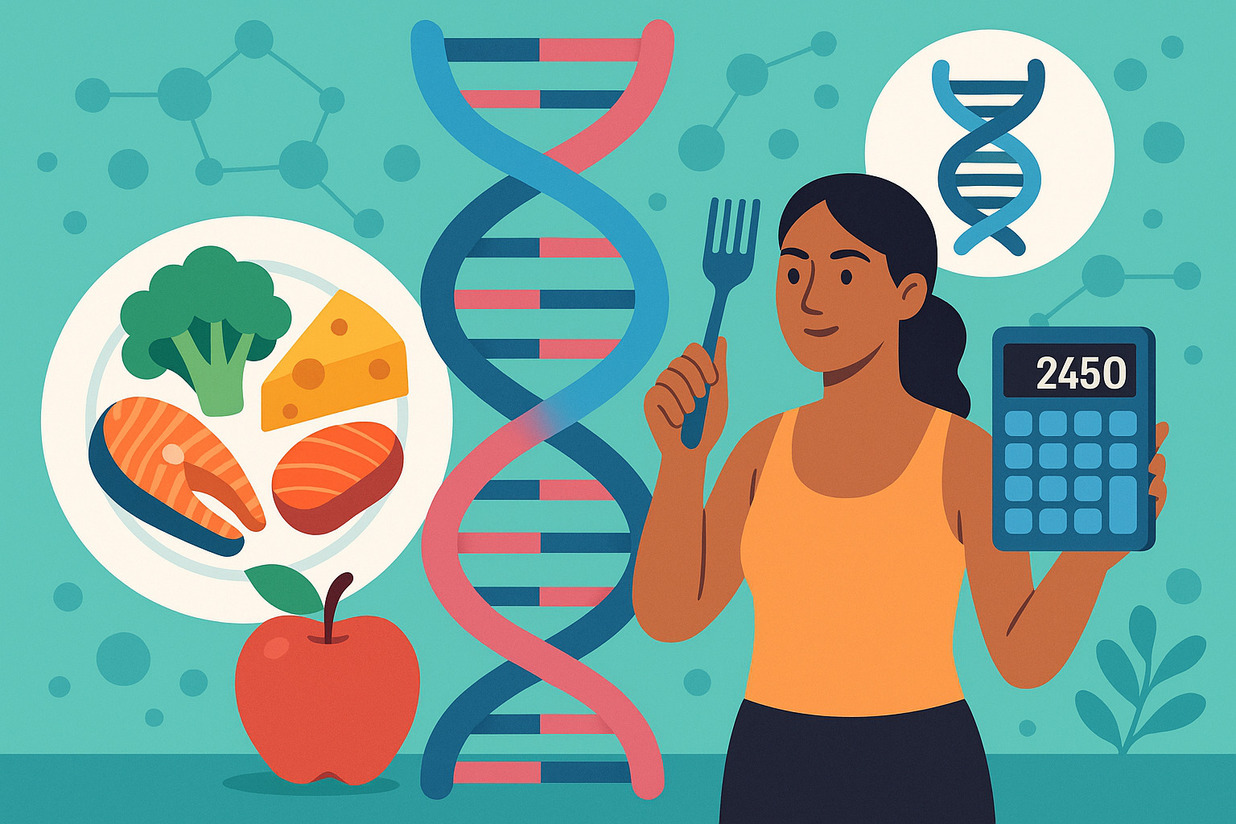

How DNA Refines Your Calorie Needs

How DNA Refines Your Calorie Needs

Eating right based on genes, not just hunger

Many people try different diets but rarely see long-term results. Some count calories daily, test out new meal plans every week, or follow trending weight-loss challenges. But why do results vary so much? The answer may lie within the body itself—in our DNA.

For anyone trying to lose weight, gain it, or maintain their current weight, calorie needs are deeply influenced by genetics. While a calorie calculator based on height, weight, and age offers a starting point, it often falls short. Genes play a deeper role in metabolism speed, hunger, energy output, and how food is processed by the body.

With the emergence of DNA-based nutrition, we now have a new way not just to lose weight but to live more in sync with our unique bodies. It’s not magic—it’s science made personal.


How DNA Affects Metabolism

Metabolism is the complex process of converting food into energy. Its speed varies from person to person. Some people burn calories quickly without much movement. Others easily store fat even when eating small portions. Behind this are genetic variations in the genes that control metabolic rate.

Some are genetically predisposed to slow metabolism, meaning they need fewer calories to maintain their weight. Others naturally require more calories due to highly active energy-burning genes.

When someone knows where they fall, they no longer get lost choosing a meal plan. Eating becomes more precise in quantity, and there’s no need to starve just to follow standard diets that don’t match their genetic makeup.


DNA’s Role in Fat Storage and Muscle Building

Beyond metabolism, DNA also affects how the body stores fat and builds muscle. Some people easily store fat in the stomach, hips, or thighs. Others lose muscle quickly with only a slight calorie deficit. These are influenced by lipoprotein genes, insulin response genes, and hormone regulators.

Through DNA testing, you can learn whether you’re prone to visceral fat or need higher protein intake to maintain lean mass. For athletes or body-conscious individuals, this is highly useful for planning meals that support not only performance but long-term body composition.

Results become more effective when training routines align with nutrition tailored to how your body works on a cellular level.


Genetics and Sugar Response

Not everyone reacts to sugar the same way. Some experience insulin spikes with just a little sugar. Others can control blood sugar even after eating sweets. These differences stem from genetic makeup involving glucose transport, insulin sensitivity, and carb metabolism.

When a person knows their sugar response based on DNA, they make better food choices. For instance, if insulin sensitivity is low, they might focus on complex carbs instead of simple sugars. If carb tolerance is high, dietary flexibility increases.

You don’t have to deprive yourself of your favorite food—just find the right balance anchored in how your body responds to each bite.


Understanding Hunger and Cravings Through Genes

Hunger is driven not only by hormones but also by genes. Some genetic variants lead to frequent hunger or quick satiety. The FTO gene, for example, is linked to higher fat and sugar intake. Others may have a genetic tendency to crave salty snacks or high-carb meals.

Understanding the root of cravings makes them easier to manage. If you’re predisposed to emotional eating, planning meals during typical craving hours helps. If hunger hormone activity is high, adding more fiber and protein can increase fullness.

The goal isn’t to suppress yourself but to shift the approach—from standard diets to a lifestyle that meets real needs.


Calories and Exercise: Finding the Right Fit

Many nutrition plans claim that losing weight just means maintaining a calorie deficit. But how big should that deficit be? And what kind of exercise aligns with your genes? DNA testing helps determine how effective different physical activities are for your body.

Some genes respond better to cardio exercises like running or walking. Others burn fat more efficiently with strength training. If a person has a gene variant that slows recovery, they also need to limit intense workouts.

Combining genetic insights with calorie data makes the fitness journey more holistic. It’s not just the body that responds—knowing the “why” behind each movement brings peace of mind.


Why Calorie Counting Alone Isn’t Enough

Calorie counting has long been used for weight management, but it’s often insufficient. Some follow the recommended intake yet see no change. This is where genetics comes in—the hidden details that don’t show up in calorie tables.

For example, if your digestion is genetically slow, food might be processed more slowly even with the same calorie count. If your body tends to store energy as fat, even low-calorie meals may cause weight gain if mismatched to your genes.

In such cases, the problem isn’t calories—it’s the body’s unique response. DNA-based calorie planning is a smarter step for those who truly want to understand their progress.


Right Timing Based on Biological Rhythm

DNA also influences a person’s circadian rhythm—the natural schedule for hunger, sleep, and wakefulness. Some are genetically inclined to be night eaters, while others get energy from morning meals.

Genetic testing can reveal when metabolism is most active. If it peaks in the morning, a heavy breakfast is better than a late dinner. If you’re a night owl, adjusting meal timing can help avoid unnecessary weight gain.

A simple change in meal timing can greatly impact weight management, especially when paired with exercise and good sleep.


Adapting Nutrition to Gender-Based Genetic Traits

Calorie needs aren’t just based on body size—they’re also shaped by gender-specific genes. Some genetic markers are more active in men or women, affecting fat distribution, hormone response, and muscle retention.

For women, certain genes increase fat storage during hormonal imbalance like menstruation or menopause. For men, genes linked to muscle mass are more active, but they’re also more prone to visceral fat with high calorie intake.

Gender-specific calorie planning based on DNA allows for more personalized meal strategies. It’s not generic—it’s built on a person’s biological and hormonal profile.


DNA as a Guide to Lifetime Nutrition Strategy

The benefit of DNA-based calorie planning isn’t limited to one diet phase. It can be used throughout life—from youth, through active years, into old age.

As we age, our calorie needs shift, but our genetic foundation stays the same. With DNA results, each diet adjustment becomes more appropriate—not just for looks but for the health of the heart, kidneys, and entire body.

This information can even be passed down, becoming part of a family’s health literacy. Eating isn’t just about feeling full—it’s about living better and with direction.


Right Food, Right Knowledge

Self-knowledge is one of the best investments in health. Through DNA, the path becomes clearer—what to eat, what to avoid, and how much is enough. It’s no longer about counting every bite, but about a deeper connection to the body.

At a time when many want to change their lifestyle, starting from within is wiser. Genes are not restrictions—they are reminders that each body has its own rhythm, needs, and way of functioning. With DNA-based nutrition, health becomes more personal, more genuine, and more effective.

Building a Meal Plan Based on Your DNA

Building a Meal Plan Based on Your DNA

Why Your Genes Matter in Your Diet

Many people try various diets—from keto to vegetarian—but not everyone gets the same results. One key reason is the difference in people’s genes. These days, more individuals are turning to DNA testing to discover the best diet for their unique bodies.

The idea is simple: your genes play a role in how your body digests, absorbs, and uses nutrients. When you understand how your body works on a genetic level, it becomes easier to choose the right foods that support your energy and overall health.

In this article, we’ll explore how to use your DNA to create a meal plan that’s more personalized, effective, and sustainable for the long term.


What Is DNA-Based Meal Planning

DNA-based meal planning begins by analyzing genes related to nutrition. Through a saliva sample, it’s possible to determine if someone has a predisposition to conditions like gluten intolerance, lactose sensitivity, or slow metabolism of caffeine and fats.

With these results, you get a clearer picture of which foods can best support energy levels, weight management, and digestion. This isn’t a trend—it’s a personalized way to care for your body based on its unique biological makeup.

The process isn’t complicated, but it does require proper interpretation from a nutrition expert to build an accurate and effective meal plan.


Understanding Carbohydrate Sensitivity

Some people gain weight easily from just a small serving of rice, while others can eat pasta daily and not see a major change in weight. This is often due to carbohydrate sensitivity, which can be identified through DNA testing.

Results can reveal whether you’re more likely to experience poor blood sugar control when consuming high amounts of carbs. Based on this, a meal plan might focus on whole grains, low-glycemic fruits, and portion control.

Rather than cutting carbs completely, a DNA-based approach teaches you how to manage them in the right amounts and at the right times.


Fat Metabolism and Identifying Healthy Fats

Certain people have genes that make it harder to process saturated fats, increasing the risk of weight gain or high cholesterol. Others are more efficient at utilizing healthy fats like omega-3s.

Knowing how your body reacts to different types of fat makes it easier to avoid foods that promote weight gain or inflammation. DNA testing helps you prioritize sources of healthy fats such as fish, nuts, and avocados.

It also guides you on when to reduce oil-rich foods or dairy products based on your personal metabolism.


Managing Lactose and Gluten Sensitivities

Bloating, fatigue, or skin irritation can sometimes be traced back to undiagnosed lactose or gluten intolerance. Certain genes indicate predisposition to these sensitivities, which can cause ongoing but subtle discomfort.

Once you know you have this trait, you can avoid foods like milk, bread, or pasta and choose alternatives like almond milk, quinoa, or gluten-free oats. Your meal plan becomes more sensitive to your body’s needs—not just general diet trends.

The changes don’t have to be drastic—even small adjustments can significantly improve long-term health.


Differences in Vitamin Absorption

Not everyone can absorb nutrients like Vitamin D, B12, or folate in the same way. Some people have genetic variations that slow down the absorption or conversion of these nutrients into their active forms.

DNA-based planning allows you to target foods rich in specific vitamins your body struggles to absorb. For example, if you have low folate absorption efficiency, increasing your intake of leafy greens and beans may be more beneficial.

This helps prevent nutrient deficiencies that can lead to fatigue, brain fog, or a weakened immune system.


Protein Needs Based on Your Genes

Protein is essential for muscle building, cell repair, and energy—but the amount and type needed can vary. Some genes suggest whether your body responds better to animal-based or plant-based protein.

If your body doesn’t efficiently digest red meat, fish, legumes, or tofu may be better choices. Conversely, if you require more protein overall, adding lean protein to every meal could be beneficial.

DNA testing helps clarify how much and what type of protein suits your unique build and lifestyle.


How Your Body Responds to Caffeine and Alcohol

Some people feel jittery or have trouble sleeping after just one cup of coffee. Others get tipsy quickly from even a small amount of alcohol. These reactions are influenced by genes that regulate caffeine and alcohol metabolism.

A meal plan that considers these traits may reduce coffee intake in the afternoon or advise against regular alcohol consumption—even in social settings. It’s not about restriction, but about protecting your body’s natural responses.

When you know your sensitivities, you can be proactive instead of reactive in your health choices.


Adapting to Your Lifestyle and Activity Level

Not all meal plans are suited for athletes or sedentary individuals. When DNA is factored in, your diet can match your physical activity. For instance, if you have a high predisposition to weight gain and slow metabolism, your meal plan might need to be lower in calories but high in fiber.

If you’re active with a higher lean muscle ratio, you may need more energy-dense foods to support your performance. Your genes act as a guide to deliver more precise nutritional support based on your lifestyle.

This makes it easier to reach fitness goals without confusion over too many diet options.


Identifying Personal Food Triggers

Beyond common allergies, certain foods may not suit your genes—even if they don’t cause obvious allergic reactions. DNA testing helps identify which foods might lead to inflammation, fatigue, or poor digestion—even if others can tolerate them well.

With this insight, you can avoid food triggers before they cause deeper health problems. The goal isn’t just to treat symptoms but to prevent them from occurring.

Preventive nutrition is one of the most important elements of DNA-based meal planning.


Starting Your DNA-Informed Meal Plan

Once you have access to your genetic data, it becomes easier to build a meal plan that truly fits you. It’s not one-size-fits-all—it’s a plan crafted specifically for your body. From breakfast to dinner, every meal has purpose, direction, and a goal of supporting your whole-body health.

Understanding yourself from the inside out becomes the foundation of proper nutrition. Through DNA-guided planning, it becomes clearer why certain diets don’t work for everyone—and how to find a routine that matches your personal needs.

How Your Genes Affect Weight Gain

How Your Genes Affect Weight Gain

The Connection Between DNA and Body Weight Regulation

Not all bodies respond the same way to food, exercise, or stress. For some, even a slight excess in calories quickly leads to weight gain. Others can eat beyond their caloric needs and remain unaffected. One key reason is genetics—the DNA inherited from your parents. DNA plays a role in how your body uses energy, how fast your metabolism runs, and how it stores fat.

Understanding your genetic background helps in creating a personalized weight management plan. Not everyone needs the same diet or workout routine. By identifying genetic factors tied to weight gain, you can follow a more effective and realistic health strategy.


Metabolism Genes and Calorie Burn Rate

Some genes directly influence your metabolic rate—the speed at which your body burns energy from food. A slower metabolism means excess calories are more likely to be stored as fat. A faster one makes it harder to gain weight even when eating more.

For instance, the FTO gene has been commonly linked to obesity. Certain variants of this gene may lead to more frequent hunger or weaker satiety signals, increasing the chances of overeating and weight gain.

Knowing your metabolic profile enables smarter adjustments in meal planning and activity levels to maintain balance.


Appetite Regulation and Genetic Hunger Sensitivity

Hunger isn’t just about an empty stomach. Brain and hormone signals dictate when we feel hungry. Some genes influence hunger-related hormones like leptin and ghrelin. If these are imbalanced, you may feel hungry even when your body doesn’t need food.

Leptin signals to the brain that you’re full. Some people are genetically resistant to leptin, making it harder to feel satisfied after eating. As a result, they may overeat more often.

Recognizing this condition is crucial in developing strategies to manage cravings and improve fullness cues.


Insulin Response and Fat Storage

Insulin helps the body process glucose from food. Some people have a genetic tendency toward insulin resistance, which makes it harder to use glucose efficiently and leads to fat storage—especially in the abdominal area.

This condition is often associated with type 2 diabetes and central obesity. Even with proper diet and exercise, those with this background may struggle to lose weight.

However, with the right diet (like low-glycemic foods) and consistent physical activity, these risks can still be managed effectively.


Fat Storage Genes and Body Fat Distribution

Genes don’t just affect how much fat you store—but also where it’s stored. Some people are genetically inclined to store fat around the abdomen, while others store it more in the hips and thighs. This pattern of fat distribution impacts overall health risks.

Abdominal fat is more metabolically active and contributes to inflammation and cardiovascular risk. Genes that control fat storage explain why some thin individuals can still be at risk for chronic diseases.

Knowing your fat distribution tendency helps shape more targeted fitness and health goals.


Food Preferences and Genetic Taste Biases

Taste isn’t only shaped by culture or habits—genetics also influence food preferences. Some people are more sensitive to bitter flavors, causing them to avoid vegetables like broccoli or kale, which are staples in weight-loss diets.

If you have a natural inclination toward sweets, you may be more likely to reach for desserts or sugary snacks, even without feeling truly hungry. This can lead to unintentional weight gain.

Understanding your taste tendencies allows you to find healthier alternatives that still satisfy your cravings.


Sleep Patterns and Genetic Effects on Body Weight

Genes also influence sleep patterns. Some people are natural night owls and struggle to fall asleep early. Poor sleep affects leptin and ghrelin levels, increasing hunger and reducing energy for movement.

Sleep deprivation is a major contributor to weight gain—and its effects worsen if you have a genetic predisposition to poor sleep regulation. Cravings for high-calorie foods intensify when you’re sleep-deprived.

Maintaining a consistent sleep routine helps balance hormones and support healthy weight.


Stress Response and Emotional Eating

Our response to stress is deeply rooted in our biology, with certain genes influencing how much cortisol—the primary stress hormone—our bodies produce. When cortisol levels spike, the body enters a heightened state of alertness, often triggering cravings for high-sugar, high-fat “comfort foods.” This biological reaction dates back to survival mechanisms, but in modern life, it often leads to emotional eating rather than true hunger.

Some individuals have gene variants that make them more sensitive to stress, meaning they produce more cortisol or take longer to return to baseline after a stressful event. This heightened stress sensitivity can make food feel like the most immediate and effective way to soothe uncomfortable emotions. It’s important to understand that emotional eating in these cases is not about lacking willpower—it’s a built-in response that can be managed, not judged.

To break this cycle, finding alternative ways to cope with stress is essential. Practices like mindfulness meditation, walking in nature, journaling, or even short rest breaks can help regulate cortisol without turning to food. Building new habits takes time, but by recognizing the biological triggers, individuals can respond with compassion and adopt healthier coping strategies that support both emotional and physical well-being.


Exercise Response and Genetic Variability in Results

When it comes to exercise, one-size-fits-all advice often fails to deliver equal results. Genetic differences influence how efficiently our bodies use oxygen, how muscles respond to training, and how quickly we recover after workouts. This means two people following the same routine might see very different outcomes—not because one is working harder, but because their bodies are wired differently.

Some people are genetically better suited for endurance activities like running or cycling, while others gain more from strength-based training such as weightlifting or resistance workouts. If you’re putting in consistent effort but not seeing results, your genetic makeup might favor a different approach. Frustration is common, but understanding your exercise genes can transform your fitness strategy.

Genetic testing or performance tracking over time can reveal which workouts align best with your body. Focusing on your strengths—whether that’s faster recovery or explosive power—helps you maximize results while avoiding injury or burnout. Tailoring your fitness plan based on genetic insight saves time, builds motivation, and leads to more sustainable progress.


Gut Health and Microbiome Genes

The gut is more than a digestive organ—it’s a control center for metabolism, immunity, and even mood. Research shows that genetics play a role in shaping your gut microbiome—the collection of trillions of bacteria that live in your digestive tract. Certain genes influence which strains of bacteria are most dominant, and these strains affect how you digest food, absorb nutrients, and store fat.

An unbalanced gut microbiome can cause issues like bloating, sugar cravings, and irregular weight gain. For some people, especially those with specific genetic variants, a microbiome that favors inflammation or fat storage can make it more difficult to lose weight—even with a healthy diet. Processed foods and high sugar intake can further disrupt the balance, worsening metabolic health over time.

To support your gut and metabolic health, it’s crucial to focus on diet. Foods rich in fiber, such as leafy greens, oats, and legumes, help feed beneficial bacteria. Fermented foods like yogurt, kefir, kimchi, and sauerkraut introduce good bacteria directly into the gut. By eating in a way that supports your microbiome, you’re working with your body’s biology rather than against it.


Understanding Genes as a Guide, Not a Sentence

Learning about your genetic predispositions can feel overwhelming at first—but it’s important to remember that genes are not destiny. They are more like a map than a rulebook, showing you the terrain of your body rather than prescribing a fixed path. While some traits may be hardwired, your daily choices play a powerful role in shaping how those genes are expressed.

Rather than trying to “fight” your genetic tendencies, the key is to use this information as a strategic guide. If your genes suggest a tendency toward weight gain under stress, for example, you can prepare by managing cortisol levels through sleep, relaxation, and mindfulness. If your body responds better to certain foods or exercises, your routine can be shaped accordingly.

The greatest power lies in combining knowledge with action. When you understand how your body functions on a genetic level, you can make smarter, more sustainable decisions. This approach doesn’t chase perfection—it embraces progress that aligns with your true biology. In the end, it’s not about changing who you are, but about supporting who you are more effectively.