What Personalized Health Really Means

What Personalized Health Really Means

A Deeper Look at Health That Fits You

Health is not the same for everyone. Our bodies, lifestyles, and needs are all different. This is where the concept of personalized health comes in—a way of caring for the body that considers your unique physical condition. It’s not just about the medicine you take or the food you eat, but how it all suits you as a whole person.

For many people, the standard approach to health just isn’t enough. Some don’t respond well to generic treatments. Others are more sensitive to environmental triggers. That’s why understanding your individual body is essential. Personalized health is a step toward more effective care.

With this mindset, every decision—from your workout routine to your diet plan—is based on your own body, not on general recommendations.


How Personalized Health Differs from Traditional Care

Traditional healthcare is often based on general guidelines. For example, everyone with the same condition might receive the same dosage of medicine. But in personalized health, factors such as age, genetics, lifestyle, and even mental health are considered before recommending any action.

Instead of a one-size-fits-all diet, a personalized approach offers a meal plan tailored to your metabolism. Instead of a fixed workout program, routines are crafted to match your energy levels and recovery capacity.

Some doctors and specialists are already using this method to improve treatment outcomes. For patients, it feels more caring and focused—because it truly addresses their individual needs.


The Role of Genetics in Shaping Personalized Care

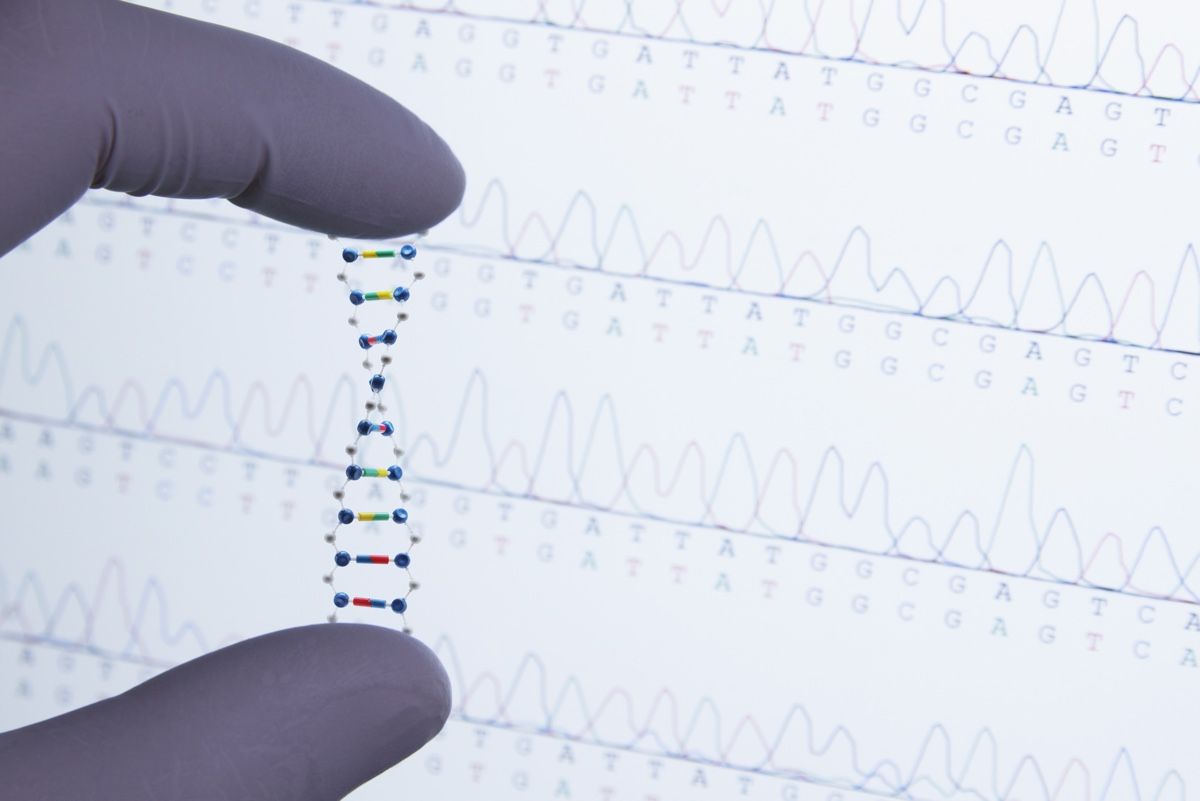
One of the foundations of personalized health is an individual’s genetic makeup. Through DNA testing, it’s possible to learn how your body reacts to certain foods, medications, and environmental factors. For example, some people are genetically predisposed to lactose intolerance or slower metabolism.

This kind of information helps you avoid foods or substances that may be harmful. It also serves as a guide for more accurate treatments, especially for those with a family history of chronic illness.

The focus here is more on prevention than just treatment. When you know where potential issues might arise, it’s easier to act early and avoid them.


Understanding Your Body Through Biometrics

Biometrics such as heart rate, sleep patterns, and blood sugar levels are now being used as tools for personalized health. Thanks to wearable devices, it’s easier to monitor when your energy dips, whether your sleep is sufficient, or if there’s a change in your blood pressure.

No need to wait for an annual check-up to assess your health—real-time data is now accessible daily and can be shared with a health professional when needed.

Knowing your body in this way empowers you. It makes it easier to recognize when to rest, eat, or exercise.


Using Nutrition Plans That Match Your Body

Food is one of the most crucial aspects of personalized health. Not everyone needs to go low-carb. Not everyone benefits from high-protein diets either. The right food depends on how your body responds to nutrients.

Some tests can show which foods spike your blood sugar or which ones take longer to digest. With this data, you can create a meal plan that’s not only tasty but also backed by science.

The benefits of personalized nutrition go beyond physical health—it can boost your emotional well-being too. When you know your meals are suited for you, eating becomes more enjoyable, and you feel more at ease.


Mental Health Based on Your Own Experience

Mental health is also part of personalized care. Not all coping strategies work for everyone. Some find comfort in journaling, while others benefit from therapy or mindfulness practices.

Instead of a one-size-fits-all approach to mental wellness, personalized health seeks ways that match your lifestyle, background, and emotional capacity. It’s a form of respect for emotional diversity.

Prioritizing mental health with a personal approach creates a deeper connection with yourself. It gives you clearer direction in caring for both body and mind.


More Responsible Use of Medication

Not all medications work the same for everyone. Personalized health considers how your body metabolizes medicine. Some people respond faster or slower to drugs, which can lead to side effects if not properly understood.

Pharmacogenomics is a field that identifies which drugs are best suited for your genetic profile. This is where truly personalized treatment begins.

This approach reduces trial-and-error with medications. It leads to faster, more effective relief with fewer side effects.


The Role of Technology in Personalized Health

Mobile apps and wearable tech are more than just accessories. They’re now used to measure progress, track symptoms, or send reminders for medications and hydration. These tools help people stay consistent with their personal health goals.

Many apps now use AI to give recommendations based on your history and preferences. For example, if you’re not sleeping enough, it might suggest rest schedules and fluid intake tips.

Technology here isn’t just for convenience—it’s a bridge to becoming more proactive about your health.


Having a Partner on Your Health Journey

Taking care of your health doesn’t mean going it alone. One of the most powerful aspects of personalized health is the inclusion of human support—whether it comes from a health coach, a trusted doctor, or a supportive community. Having someone walk beside you, offering insight and encouragement, can transform the journey from overwhelming to empowering. It becomes easier to make consistent changes and ask for help when you’re not facing the process by yourself.

Many modern clinics and wellness platforms now offer personalized coaching services that adapt to your specific data and goals. These coaches look beyond one-size-fits-all advice and instead work with your biometric feedback, lifestyle habits, and preferences. They can help you create manageable plans for diet, fitness, sleep, and stress, while also tracking progress over time. This kind of tailored support ensures that your wellness strategy evolves with your needs, making it more sustainable and effective.

The value of having someone knowledgeable and compassionate in your corner can’t be overstated. Personalized health is about more than numbers—it’s about human connection and trust. When someone believes in your ability to grow and understands your unique path, it builds confidence. This partnership provides accountability, emotional encouragement, and expert insight—all of which are essential to achieving and maintaining long-term health and wellness.


The True Goal of Personalized Health

Personalized health isn’t about chasing an ideal image or fitting into someone else’s standard. Instead, it’s about developing a deep and honest understanding of who you are—physically, mentally, and emotionally. It means recognizing the factors that energize you, as well as those that drain you, and learning how to create balance between the two. True health is not perfection; it’s self-awareness combined with sustainable care.

In today’s world, it’s easy to be distracted by trends or feel pressure to try every new supplement, workout, or routine. But personalized health invites you to slow down and listen to your body. What works for someone else may not work for you—and that’s okay. The most important part of any wellness journey is starting from a place of self-understanding. When you honor your individual rhythms and needs, you’re more likely to stick to your goals and enjoy the process.

With the right information—whether it’s genetic data, feedback from wearable devices, or simply your own observations—you can shape a health routine that truly supports your life. Add to that the support of professionals, coaches, or loved ones, and you have a path forward that’s not only practical but deeply personal. In the end, personalized health is about building a routine that’s grounded in respect for yourself—body, mind, and spirit.

How Blockchain Secures Health Data

How Blockchain Secures Health Data

Protecting Medical Information in the Age of Digital Records

In today’s increasingly digital world, healthcare providers are rapidly adopting electronic medical records (EMRs) for efficiency and accessibility. While this shift improves coordination and convenience, it also exposes patient data to new risks. Cyber threats, system breaches, and unauthorized access can compromise sensitive medical information if robust security measures are not in place.

Blockchain technology presents a promising solution to these challenges. Initially known for its role in cryptocurrency, blockchain has proven adaptable in sectors requiring secure, transparent data handling—healthcare being one of them. Its decentralized, tamper-resistant structure ensures that medical records remain confidential, accurate, and verifiable even in complex, multi-provider systems.

With the rise in data breaches and growing public concern about privacy, adopting a more secure infrastructure is not optional—it’s essential. Blockchain’s ability to prevent unauthorized access while enabling safe data sharing makes it a powerful ally in modern healthcare management.


Decentralization and Why It Matters in Medical Security

Traditional health record systems rely on centralized servers, which store all patient information in one location. If this central hub is breached, all data within it can be compromised at once. This structure creates a single point of failure—an appealing target for hackers and a vulnerability for patients and institutions alike.

Blockchain operates differently. Instead of centralizing data, it distributes information across a peer-to-peer network of nodes. Each node has a copy of the data, and no single participant has full control. Any attempt to modify a record must be verified by the network as a whole, making unauthorized changes extremely difficult.

This decentralized model reduces the risk of systemic data loss and increases trust among users. In healthcare, where information accuracy and privacy are non-negotiable, decentralization offers a new level of resilience against tampering and disruption.


Encryption at Every Access Point

One of blockchain’s strongest features is its built-in encryption process. Every piece of data added to the blockchain is encoded, making it unreadable to anyone without the proper decryption key. This ensures that even if someone gains unauthorized access to the data, it remains indecipherable and unusable.

For healthcare data—arguably among the most sensitive forms of personal information—this level of encryption is invaluable. It means that patients’ identities, test results, treatment plans, and other private details are protected not just by password access, but by complex cryptographic algorithms.

In practice, patients can also be issued time-sensitive access tokens that allow them to share specific data with new providers without exposing their entire record. This approach gives individuals greater control over their medical information while still enabling collaboration between healthcare professionals.


Tamper-Proof Record Keeping

Accuracy is everything in healthcare, and even small alterations in a patient’s medical history can lead to severe consequences. One of blockchain’s defining traits is immutability: once information is written onto the ledger, it cannot be altered or erased without a trace.

Instead of editing or deleting existing entries, any updates—such as a change in medication or diagnosis—are recorded as a new block, linked to the previous one. This forms a chronological, unbroken chain of medical history that remains fully transparent and verifiable.

This kind of tamper-proof documentation provides both legal and clinical assurance. Healthcare providers can trace back every change, while patients gain confidence that their data has not been manipulated or lost over time.


Audit Trails for Transparency and Accountability

Blockchain automatically records every action taken on a dataset—who accessed it, when, and what changes were made. This continuous logging creates a complete audit trail, which is especially important in healthcare environments where accountability is key.

With this system, medical professionals are less likely to make undocumented changes or share data irresponsibly. If a mistake occurs, it’s easy to identify who was involved and what happened, which helps prevent repeat incidents and protects patient welfare.

This transparency fosters greater trust between patients and providers. It reinforces responsible data use and offers peace of mind to patients, knowing their information isn’t just secure—but also tracked and ethically managed.


Role-Based Access Control

In healthcare, not everyone needs access to all patient data. A nurse might need to see vital signs and medication schedules, while a psychiatrist needs access to mental health history. Blockchain supports role-based access control, allowing granular permissions to be assigned depending on the user’s role.

This ensures that sensitive data is only available to those with a legitimate reason to view it. It helps prevent privacy breaches, especially in larger institutions where hundreds of professionals may interact with a single patient’s file.

Patients, too, benefit from this structure by gaining more control over who accesses their information. They can grant or restrict access to certain data types, aligning medical transparency with personal comfort and consent.


Secure Data Portability

Patients often visit multiple clinics, hospitals, or specialists throughout their lives. Unfortunately, transferring medical records between different systems can be a logistical nightmare. Inconsistent platforms and formats make it difficult to move data securely and efficiently.

Blockchain resolves this by offering a standardized, interoperable method of sharing records. Patients can carry a private digital key that grants secure, temporary access to their files—no matter the system used by the provider. This eliminates redundancies and improves the continuity of care.

Best of all, this portability doesn’t sacrifice privacy. Files remain encrypted, and only those with verified access rights can unlock and view the information. It’s a win-win for both convenience and security.


Prevention of Data Duplication and Errors

Duplicate records and inconsistent information are common issues in healthcare. When multiple providers enter data manually into different systems, it’s easy for errors or outdated information to slip through the cracks—potentially putting patients at risk.

Blockchain minimizes this risk by using a single, verified source of truth. Every update to a record is synced across the network, eliminating the need for redundant entries and manual reconciliations. This ensures that every provider sees the same version of the patient’s health status in real time.

This accuracy is particularly vital in emergencies, where fast access to correct information can save lives. A unified blockchain record removes guesswork and supports swift, informed medical decisions.


Stronger Protection Against Cyber Attacks

Cybersecurity threats in healthcare are becoming more frequent and more severe. Data breaches can expose the private information of thousands, leading to identity theft, insurance fraud, or worse. Blockchain mitigates this threat with its decentralized, cryptographically secured design.

Each record on the blockchain is protected by a unique cryptographic hash. Even if a hacker attempts to alter the data, the system recognizes the mismatch instantly and blocks the modification. Plus, because data is spread across multiple nodes, no single failure point can compromise the entire system.

This structure makes blockchain an especially attractive option for health systems looking to upgrade their defenses. With fewer vulnerabilities and stronger barriers, it offers a future-proof solution to growing digital threats.


Patient Trust and Better Collaboration

One of the greatest benefits of blockchain in healthcare is the trust it fosters. When patients know their data is protected, tamper-proof, and under their control, they feel more empowered in their health journey. This empowerment leads to more openness and better communication with healthcare providers.

When trust exists, patients are more likely to disclose relevant information, follow treatment plans, and engage in preventive care. Providers, in turn, benefit from more complete data and improved patient outcomes—creating a virtuous cycle of wellness.

In this way, blockchain doesn’t just solve technical problems—it enhances the human side of healthcare by prioritizing respect, autonomy, and collaboration.