How to Increase Collagen for Firmer Skin

How to Increase Collagen for Firmer Skin

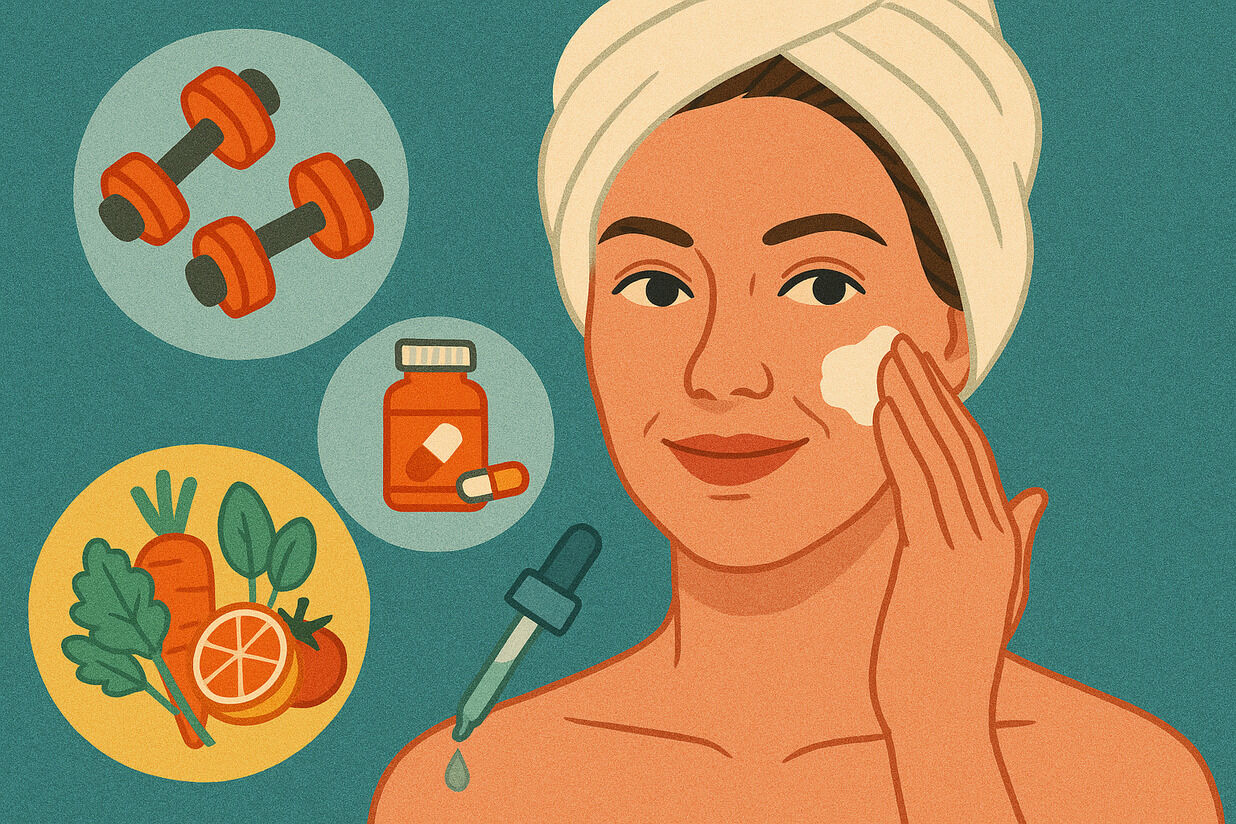
Strengthening your skin’s natural support with the right care

The skin is often the first part of the body to show signs of aging. Over time, the body’s natural collagen production gradually decreases. Collagen is a protein that gives skin its structure and resilience. When collagen levels drop, signs of aging begin to appear—wrinkles, sagging, and a loss of smoothness. That’s why many people are eager to find ways to increase collagen to maintain youthful-looking skin.

For those active on social media, in content creation, or simply looking after themselves, having firmer skin boosts self-confidence. It’s no longer just about appearance—it’s also about overall health. Collagen isn’t just for skin—it’s vital for muscles, bones, and joints.

The good news is that there are many natural and science-supported ways to boost collagen production. With the right diet, proper skincare, and knowledge, it’s possible to achieve smoother, stronger, and more youthful-looking skin.


The Connection Between Collagen and Skin Strength

Collagen acts like scaffolding for the skin. It’s what keeps the skin firm and intact despite exposure to sun, dust, and other forms of stress. When collagen levels are sufficient, the skin is more elastic and hydrated. But as we age, this naturally declines.

Collagen production may begin to drop as early as age 25. From there, it decreases year by year. That’s why even with a solid skincare routine, the signs of aging may still appear. External solutions aren’t always enough.

Maintaining collagen levels helps the skin resist natural changes. It recovers better from stress and slows the appearance of lines, wrinkles, or rough texture. That’s why it’s essential to understand how to restore or strengthen it.


Food as the Foundation of Natural Collagen

Diet plays a major role in collagen production. Collagen doesn’t just appear—it needs ingredients like Vitamin C, zinc, and amino acids to be properly synthesized in the body. So, choosing the right foods is key.

Fruits like citrus, berries, and leafy greens are rich in Vitamin C, essential for collagen synthesis. Foods containing gelatin—like bone broth—deliver collagen directly to the body. Meanwhile, fish and eggs are high in protein and sulfur, which support collagen building.

It’s not just about eating more, but eating smarter. When combined properly, these foods offer a balanced supply of collagen-building nutrients. Within a short time, you’ll notice smoother, rosier, and more vibrant-looking skin.


The Effects of Sun Exposure and Smoking on Collagen

External factors can damage collagen. One of the strongest enemies is ultraviolet (UV) rays from the sun. Even if your skin doesn’t burn, UV rays can slowly break down collagen under the surface—an effect that takes time to become visible.

Aside from the sun, smoking is also a major cause of premature skin aging. Chemicals in cigarettes damage blood flow and hinder collagen production. That’s why smokers often develop more wrinkles and show signs of aging sooner.

Avoiding these harmful elements protects not only outer beauty but also internal health. When collagen is shielded from damage, it’s easier to maintain and regenerate.


Sleep and Stress Management for Collagen Production

When the body lacks sleep, its ability to repair itself is reduced. At night, during sleep, cell repair and collagen production speed up. Chronic sleep deprivation prevents recovery, weakening the skin over time.

Stress is another factor that reduces collagen. High cortisol levels disrupt cell renewal and slow the skin’s natural strengthening process. This shows in pale or dull skin, flare-ups, or increased breakouts.

Regular rest and stress management aren’t luxuries—they’re part of skincare. They help refuel the body so it can focus on cellular regeneration, including collagen formation.


Physical Activity and the Role of Exercise

Physical activity has positive effects on the entire body, including the skin. Regular exercise improves blood circulation, delivering oxygen and nutrients to the skin and stimulating collagen production.

You don’t have to go to the gym daily. A walk, yoga, or even light stretching can help maintain circulation. Active blood flow encourages cell turnover and helps the body produce proteins like collagen.

Alongside regular movement, changes in skin texture become noticeable—more glow, even tone, and a natural radiance. That’s thanks to the activation of processes that rejuvenate the skin.


Science-Supported Supplements

Many turn to collagen supplements. Hydrolyzed collagen powders or capsules are easier for the body to absorb. Studies show that consistent intake can improve skin elasticity and moisture.

Some supplements also include Vitamin C, hyaluronic acid, and zinc—ingredients that assist in collagen synthesis. But they’re not magic pills. A healthy diet and lifestyle are still necessary for any supplement to work.

Proper intake and consistency are key. Results appear not just in skin but also in hair, nails, and joints. With reliable supplements, the goal of firmer, more youthful skin becomes more attainable.


Skincare Products That Support Collagen

Skincare isn’t just cosmetic. Some products include ingredients that stimulate natural collagen production. These include retinol, peptides, and Vitamin C serums—well-known for improving skin texture and elasticity.

Using anti-aging products regularly helps stimulate collagen under the skin. While they may not add collagen directly, they support the skin’s ability to produce its own.

Expensive products aren’t always necessary. What matters most is consistency, proper application, and combining external care with internal practices like good diet and sleep. Together, these strengthen and prolong the skin’s beauty.


Safer, Longer-Lasting Results vs. Quick Fixes

Many products promise instant results, but these are often short-lived. Increasing collagen is a slow process. Yet, when done naturally, the results are safer and longer-lasting.

Investing time to improve your lifestyle is more rewarding. Results are more permanent and promote a deeper connection with your health. It’s not just about appearance—it’s about full-body wellness.

When you invest in yourself in a more mindful way, the difference becomes visible. Skin glows, energy returns, and confidence grows.


Strengthening Inner Beauty

True skin beauty doesn’t come from makeup or treatments alone. It’s built from how you care for your body every day. Each healthy food choice, each restful night, each moment of stress avoidance—these all contribute to collagen production and skin resilience.

Beauty comes from discipline and self-care. Prioritizing health reflects on the outside. Skin becomes more radiant, stronger, and true to your age.

You don’t need perfect conditions to achieve glowing skin. All you need is the right knowledge, consistent care, and a deeper understanding of collagen’s role in full-body health.

What a Biological Age Test Reveals

What a Biological Age Test Reveals

Deeper than a birthdate—your body’s age according to science

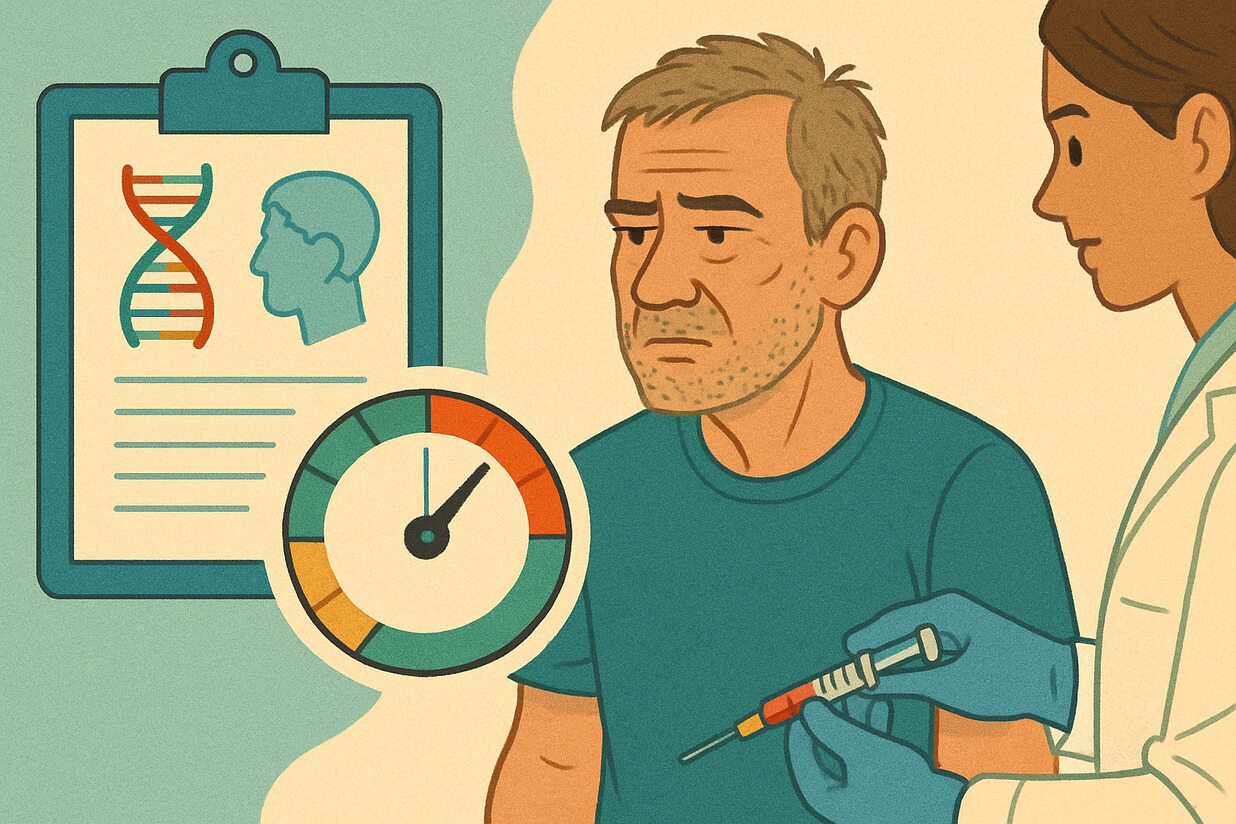
Many people measure their health by looking only at their calendar age. But sometimes, even at 45, you feel like you’re 30. Or the opposite—you’re 40 but feel like you’re 60. This is where the concept of the biological age test comes in—a type of test that offers a more accurate picture of how your body is aging compared to your actual age.

This test doesn’t rely on a simple number. It uses markers from your DNA, blood, lifestyle, and metabolic profile to determine how fast or slow your cells are aging. For those who want to maintain their health or improve their habits, the biological age test acts like an honest, detailed mirror.

This kind of knowledge doesn’t just give data—it offers direction. It gives individuals the chance to adjust their nutrition, exercise, and habits to return to or maintain a more youthful biological state.


Closer to Truth Than Your Birthday

Your birthday symbolizes time. But it can’t measure how young or old you truly are inside. Two friends may both be 40, but one has a biological age of 32 while the other is 50. That means our bodies age at different rates. This highlights the importance of this kind of testing.

Biological age focuses on physical and cellular condition. It’s based on actual metabolic performance, immune system health, and signs of inflammation. In other words, it measures how active you are on the inside—even if it’s not visible on the outside.

An active person who eats well and sleeps enough will likely have a lower biological age. Meanwhile, someone who is always stressed, sleep-deprived, and sedentary may age more quickly at a cellular level.


What This Test Measures

This isn’t like a simple blood test or weighing scale. A biological age test typically uses advanced biomarkers like DNA methylation patterns, telomere length, and metabolic indicators. The goal is to assess how well your body functions—how quickly it regenerates, how strong your immune response is, and how efficient your organs are.

Some tests focus on epigenetics, examining how lifestyle affects gene expression. For example, even if two people share the same DNA, their biological ages can differ based on stress levels, diet, and sleep quality.

It can also include physical metrics like body composition, muscle strength, and blood pressure. When combined, these data points provide a holistic view of where you are in the aging process.


Age Is Not a Barrier When You Understand Your Body

A 25-year-old who is stressed, poorly nourished, and sleep-deprived may have a higher biological age than their actual age. On the other hand, some 50-year-olds are healthier than many people in their 30s. This proves we can control the speed of our aging.

Biological age test results provide concrete evidence on which parts of your health need attention. It’s not meant to scare but to clarify. Healthy living can slow biological aging—and sometimes, even reverse it.

The key is awareness. Once you understand your body’s condition, you can make smarter, more effective decisions to improve it.


How It Supports Personal Goals

The biological age test isn’t just for athletes or the ill. It’s a guide for anyone who wants to care for their body. For instance, if you’re trying to lose weight, sometimes BMI and the scale aren’t enough. A biological age test can show whether your efforts are working on a cellular level.

For those aiming to extend their lifespan or remain active into old age, this test is a powerful tool. Instead of guessing whether a diet or workout is effective, the biological age test provides evidence—maybe even revealing that your body is getting younger with consistent effort.

It also offers insights into whether you need to change your routine, avoid certain foods, or get more rest. Ultimately, you reach your health goals more efficiently when you base your actions on your body’s actual condition.


Early Detection Can Be Life-Saving

Some illnesses don’t show symptoms right away but quietly damage the body—like heart disease, diabetes, or chronic inflammation. Sometimes, a biological age test reveals early warning signs of poor metabolic health, even when blood sugar and cholesterol look normal in traditional tests.

The test can detect early signs of cellular stress or oxidative damage. That means you have a chance to change course before things get worse. It’s like an early warning system that buys you time to correct your path.

Spotting potential issues early increases your chances of prevention and recovery. That’s not just vital for you—it’s also important for the family and community that rely on your well-being.


More Personalized Than a Standard Check-Up

While regular check-ups are essential, they have limits in measuring true health status. A biological age test is tailored to your specific condition. Rather than using broad averages, it examines the rhythm of your individual body.

Everyone’s results differ—even people with the same age or weight. That’s why this test is so useful for those who want to create a custom lifestyle plan. Its recommendations aren’t guesses; they’re grounded in your real biological data.

This isn’t a replacement for medical advice but a supplemental guide for more personalized health. It connects science with everyday experiences in caring for your body.


The Results Can Change Over Time

One of the best aspects of this test is that it’s dynamic—not fixed. Your biological age can improve through better sleep, diet, exercise, and stress management.

Some people, after six months of lifestyle change, reduce their biological age by three to five years. This proves that aging isn’t passive—it can be influenced.

Those who actively work on their health have a greater chance of seeing positive results. In this way, the test acts as a feedback loop, helping you monitor whether your health efforts are truly effective.


The Right Knowledge Leads to the Right Actions

If your results are higher than expected, don’t panic. See it as a challenge. The goal of a biological age test is not just to measure—but to educate. It’s a bridge between data and better habits.

There’s no instant fix. But every day spent caring for yourself—from sleeping well to avoiding processed foods—makes a difference. Knowing your true age on the inside is the start of making the right moves.

Applying this knowledge requires determination, but the rewards come in better energy, stronger immunity, and a more active daily life.


Health With Purpose and Direction

You don’t need to be a scientist to benefit from this test. A biological age test gives clear direction on where to start. When you know your true condition, you can take clearer steps to maintain or improve it.

In today’s world of endless health trends, this test offers a reliable reference point. No need to guess what works—your body itself gives the answer.

With clear data, people become more responsible for their health. That’s where lasting success in wellness begins.


Right Age, Right Guidance for a More Vibrant Life

The goal of a biological age test isn’t just to tell how old you are inside. It’s to understand your body, respect its limits, and restore health amidst modern challenges. Each result offers a new opportunity for wellness and self-connection.

This test is a reminder that we are not limited to our birthdate. Our habits, mindset, and self-care have a direct impact on our physical age. With every good choice, we give ourselves the chance to be younger, stronger, and more vibrant.

In the end, the truest measure of age is how well you live each day—with purpose, joy, and energy.

What to Expect from a DNA Test

What to Expect from a DNA Test

Basic Knowledge About the Process

Many people are drawn to DNA tests out of curiosity about their ancestry, health, or family connections. A simple saliva sample or cheek swab can now provide information that was once limited to scientific laboratories. Thanks to at-home testing kits, the process has become much more accessible to everyone.

For some, it’s a way to reconnect with their family history. For others, it’s about understanding their health and lifestyle. Each result tells a unique story, and it’s important to know what might come out before taking the test.

A DNA test is more than just a product of curiosity. It’s a tool for deeper self-awareness and social connection.


How a DNA Test Works

Most at-home DNA tests require only a saliva sample or a simple cheek swab. Once collected, the sample is sent to a lab for analysis of your genetic material. The process is painless and can be done easily at home.

Within a few weeks, you’ll receive a report online or via email. The report is usually categorized into ancestry, traits, and health predispositions. Some companies also offer raw DNA data for those who want to do further analysis.

It’s important to remember that each test varies in scope. Some companies focus more on ethnicity and origin, while others specialize in medical aspects.


What You’ll Learn from Ancestry Results

Ancestry results show a breakdown of your ethnic or regional origins based on your genes. You might discover roots in Southeast Asia, Northern Europe, or other parts of the world. Some results display the percentage of each region present in your DNA.

Sometimes, the results can be surprising. People who thought they came from a single background often discover additional ancestral lines. This kind of information can lead to renewed personal identity and family discovery.

Some companies even provide interactive maps showing the historical migration patterns of your ancestors. It’s a scientific journey into history.


Discovering Relatives Around the World

One key feature of many DNA testing services is “DNA Matches.” If your DNA shares segments with others, they may appear as potential relatives—from cousins to siblings. This is particularly useful for people searching for biological parents or siblings.

Many have shared stories of reuniting with siblings or reconnecting families separated for decades. However, emotional readiness is important—unexpected results can occur.

If you want to connect, most platforms offer built-in messaging features. But it’s not required—you’re in control of whether or not to open communication.


Insights into Health Through Your Genes

Some DNA tests offer information on genetic predispositions. This means they can show whether you have a higher risk for conditions such as diabetes, heart disease, or certain cancers. This is not a diagnosis, but a guide to potential concerns.

Tests can also reveal traits like lactose intolerance, caffeine sensitivity, or your likely skin type based on genetics. These insights can support lifestyle and nutrition choices.

However, it’s important to consult a doctor if medical-related information is revealed. Not all results are definitive. Environment and lifestyle also play major roles.


Understanding Genetic Traits and Identity

Aside from ancestry and health, some tests offer insights into physical and behavioral traits. You might learn why you have curly hair, why you’re a night owl, or how sensitive you are to smells.

While these can be fun, they also help you understand how traits are inherited in families. You might see similarities between yourself and relatives—even if you didn’t grow up together.

The traits section is often a favorite among users because it connects them to both the physical and emotional sides of their identity.


How Your Genetic Data Is Protected

A common concern is whether DNA testing is safe. Fortunately, most reputable companies have clear privacy policies. They don’t sell or share your data without your permission.

You can often choose to delete your DNA file or opt out of research participation. If you do allow it, anonymous data may be used in studies on diseases or population genetics.

Transparency and user control are key. Before sending a sample, read the provider’s terms and privacy settings carefully.


Important Limitations to Know

While DNA tests offer a lot of information, they’re not always precise or complete. For example, ethnicity estimates are based on reference populations and may change as company databases expand.

Health data is also limited to certain variants. Most tests don’t cover the entire genome, so they shouldn’t replace medical testing if you already have symptoms.

Understanding these limitations helps you process results more realistically—it’s not guesswork, but it’s also not a final answer.


Preparing for the Emotional Impact

Not all DNA results bring joy. Some people discover they were adopted or that they have half-siblings they never knew about. These revelations can challenge long-held beliefs about family if you’re unprepared.

For those unsure, there are support groups and counselors available. The emotional side of testing is just as important as the science behind it.

Opening yourself to the truth is part of the journey. It’s not always easy, but for many, it leads to personal growth.


Using the Results as a Guide, Not a Final Answer

A DNA test is best viewed as a tool—something that offers insight rather than absolute truth. While it can provide powerful information about your ancestry, health, and traits, it shouldn’t dictate every decision you make. Your genes are just one piece of a much larger puzzle that includes environment, experience, and personal choice.

Self-discovery doesn’t stop when the test results arrive. Instead, it marks the beginning of a deeper journey—one that involves reflection, acceptance, and growth. The insights you gain from a DNA test can lead to new perspectives, but they must be understood in the context of your whole life, not just your genetic code.

When approached with humility and openness, DNA results can become a bridge to stronger relationships—with yourself, your family, and your wider community. Rather than defining you, they offer opportunities for connection, curiosity, and understanding. Used wisely, they support—not replace—your ongoing story.

What Causes Aging at the Cellular Level

What Causes Aging at the Cellular Level

How Aging Begins Inside the Body

As a person grows older, physical changes slowly become noticeable—wrinkles on the skin, a slower metabolism, and fatigue from even light activities. But before these changes appear outwardly, there’s already a process taking place inside the cells. This is where aging truly begins—on a level the eye cannot see.

Cellular aging is a natural part of life. However, understanding what causes it can help us find ways to maintain health for a longer period. From cigarette smoke to stress, many factors influence how quickly our cells age.

This article explores the main causes of cellular aging and how it is affected by our environment, lifestyle, and the body’s natural limits.


Telomere Shortening and Slower Cell Division

Every cell in the body contains DNA, and at the ends of those DNA strands are sections called telomeres. These act like protective caps that guard genetic information as cells divide. With each division, telomeres gradually shorten until they can no longer protect the DNA.

When telomeres become too short, the cell stops dividing. At this point, it either dies or survives in a weakened, less functional state. Telomere shortening is one of the most widely accepted explanations for why the body weakens with age.

Studies suggest that proper nutrition, sufficient sleep, and stress reduction can help slow down the shortening of telomeres.


Free Radical Formation and Oxidative Stress

With every breath we take, our body produces byproducts known as free radicals—molecules that lack an electron and aggressively seek to steal one from other molecules. If antioxidants don’t keep them in check, oxidative stress occurs, which is a major cause of cellular damage.

Oxidative stress slowly damages cell membranes, proteins, and even DNA. Over time, more cells become impaired in performing their functions. This is why eating fruits, vegetables, and antioxidant-rich foods is so important.

Although the presence of free radicals is normal, excess stress, pollution, and smoking greatly worsen their effects.


Changes in Mitochondria and Cellular Energy

Mitochondria are often called the powerhouse of the cell. They generate the energy the body needs to move, think, and repair itself. But as we age, mitochondria become damaged, reducing the amount of energy our cells can produce.

When mitochondria weaken, less energy is generated. Tissue repair slows, illnesses become more frequent, and fatigue sets in more easily. While this change is natural, it is accelerated by poor diet and lack of physical activity.

Regular exercise and proper nutrition can help keep mitochondria functioning well, even as we age.


Cellular Senescence and the Buildup of Aging Cells

Some cells, instead of dying, stay alive but no longer function properly. These are called senescent cells. Rather than helping the body, they release inflammatory chemicals that can damage nearby healthy cells.

As senescent cells accumulate, tissues weaken overall. This buildup can also contribute to diseases such as arthritis, diabetes, and cardiovascular conditions. These cells don’t remove themselves, so they remain in the body.

Research is ongoing to find ways to clear out senescent cells, but for now, a healthy lifestyle remains the best defense.


DNA Changes and Accumulating Mutations Over Time

DNA is like the instruction manual of the cell. But over time, it develops errors or mutations—caused by environmental toxins, UV radiation, or the body’s own internal processes. These changes in the genetic code can lead to improper cell function.

As these mutations accumulate, communication between bodily systems deteriorates. In some cases, they can lead to cancer or other serious illnesses.

An antioxidant-rich diet, avoiding toxins, and living a healthy lifestyle help preserve the integrity of DNA.


Decreased Capacity for Tissue Repair

One of the body’s natural abilities is to heal itself when tissue is injured. However, this process slows with age. This is due to reduced cell division and declining stem cell activity.

When we’re young, wounds heal quickly. As we grow older, healing takes longer, infections are more likely, and tissues take more time to recover—sometimes not fully.

Adequate protein intake, hydration, and physical therapy can help support the healing process as we age.


Maintaining Hormonal Balance and Cellular Communication

Hormones act as the body’s chemical messengers, telling organs and tissues when to work or rest. As we age, the production of hormones like estrogen, testosterone, and growth hormone declines. This affects metabolism, muscle mass, and mood.

When hormonal signals no longer match the body’s needs, internal coordination suffers. This can cause a slower metabolism, insomnia, and fatigue.

Hormone therapies exist, but good sleep, a healthy weight, and stress management remain key to keeping the system balanced.


The Role of the Immune System in Cellular Aging

In youth, the immune system responds quickly to viruses and bacteria. But as we age, it weakens—a process known as immunosenescence, which describes the declining function of immune cells.

This is why older adults are more prone to illness and recover more slowly. Chronic inflammation also becomes more common, acting like a silent fire that gradually damages the body.

Maintaining a healthy gut, getting enough sleep, and staying up to date on vaccinations can help keep the immune system strong.


External Factors That Affect Cellular Aging

Aging doesn’t only come from within. Smoking, excessive alcohol use, pollution, and too much sun exposure all speed up the aging process. These factors add stress to cells, intensifying their natural wear and tear.

While their effects aren’t always immediately visible, the damage accumulates. Gradually, organ function declines, and the risk of disease increases. Avoiding these harmful influences supports both external appearance and long-term health.

Simple habits like wearing sunscreen and drinking enough water can make a big difference at the cellular level.


Long-Term Care for Healthy Cells

Aging is inevitable, but that doesn’t mean we’re powerless. By caring for our cells, we gain the ability to extend vitality and improve life quality. From diet to emotional well-being, every aspect plays a role in the health of our cells.

The true goal isn’t just to live longer—it’s to live with strength and energy. Understanding the causes of cellular aging gives us a clearer perspective on how the body works—and how to keep it vibrant, even as the years go by.

Building a Meal Plan Based on Your DNA

Building a Meal Plan Based on Your DNA

Why Your Genes Matter in Your Diet

Many people try various diets—from keto to vegetarian—but not everyone gets the same results. One key reason is the difference in people’s genes. These days, more individuals are turning to DNA testing to discover the best diet for their unique bodies.

The idea is simple: your genes play a role in how your body digests, absorbs, and uses nutrients. When you understand how your body works on a genetic level, it becomes easier to choose the right foods that support your energy and overall health.

In this article, we’ll explore how to use your DNA to create a meal plan that’s more personalized, effective, and sustainable for the long term.


What Is DNA-Based Meal Planning

DNA-based meal planning begins by analyzing genes related to nutrition. Through a saliva sample, it’s possible to determine if someone has a predisposition to conditions like gluten intolerance, lactose sensitivity, or slow metabolism of caffeine and fats.

With these results, you get a clearer picture of which foods can best support energy levels, weight management, and digestion. This isn’t a trend—it’s a personalized way to care for your body based on its unique biological makeup.

The process isn’t complicated, but it does require proper interpretation from a nutrition expert to build an accurate and effective meal plan.


Understanding Carbohydrate Sensitivity

Some people gain weight easily from just a small serving of rice, while others can eat pasta daily and not see a major change in weight. This is often due to carbohydrate sensitivity, which can be identified through DNA testing.

Results can reveal whether you’re more likely to experience poor blood sugar control when consuming high amounts of carbs. Based on this, a meal plan might focus on whole grains, low-glycemic fruits, and portion control.

Rather than cutting carbs completely, a DNA-based approach teaches you how to manage them in the right amounts and at the right times.


Fat Metabolism and Identifying Healthy Fats

Certain people have genes that make it harder to process saturated fats, increasing the risk of weight gain or high cholesterol. Others are more efficient at utilizing healthy fats like omega-3s.

Knowing how your body reacts to different types of fat makes it easier to avoid foods that promote weight gain or inflammation. DNA testing helps you prioritize sources of healthy fats such as fish, nuts, and avocados.

It also guides you on when to reduce oil-rich foods or dairy products based on your personal metabolism.


Managing Lactose and Gluten Sensitivities

Bloating, fatigue, or skin irritation can sometimes be traced back to undiagnosed lactose or gluten intolerance. Certain genes indicate predisposition to these sensitivities, which can cause ongoing but subtle discomfort.

Once you know you have this trait, you can avoid foods like milk, bread, or pasta and choose alternatives like almond milk, quinoa, or gluten-free oats. Your meal plan becomes more sensitive to your body’s needs—not just general diet trends.

The changes don’t have to be drastic—even small adjustments can significantly improve long-term health.


Differences in Vitamin Absorption

Not everyone can absorb nutrients like Vitamin D, B12, or folate in the same way. Some people have genetic variations that slow down the absorption or conversion of these nutrients into their active forms.

DNA-based planning allows you to target foods rich in specific vitamins your body struggles to absorb. For example, if you have low folate absorption efficiency, increasing your intake of leafy greens and beans may be more beneficial.

This helps prevent nutrient deficiencies that can lead to fatigue, brain fog, or a weakened immune system.


Protein Needs Based on Your Genes

Protein is essential for muscle building, cell repair, and energy—but the amount and type needed can vary. Some genes suggest whether your body responds better to animal-based or plant-based protein.

If your body doesn’t efficiently digest red meat, fish, legumes, or tofu may be better choices. Conversely, if you require more protein overall, adding lean protein to every meal could be beneficial.

DNA testing helps clarify how much and what type of protein suits your unique build and lifestyle.


How Your Body Responds to Caffeine and Alcohol

Some people feel jittery or have trouble sleeping after just one cup of coffee. Others get tipsy quickly from even a small amount of alcohol. These reactions are influenced by genes that regulate caffeine and alcohol metabolism.

A meal plan that considers these traits may reduce coffee intake in the afternoon or advise against regular alcohol consumption—even in social settings. It’s not about restriction, but about protecting your body’s natural responses.

When you know your sensitivities, you can be proactive instead of reactive in your health choices.


Adapting to Your Lifestyle and Activity Level

Not all meal plans are suited for athletes or sedentary individuals. When DNA is factored in, your diet can match your physical activity. For instance, if you have a high predisposition to weight gain and slow metabolism, your meal plan might need to be lower in calories but high in fiber.

If you’re active with a higher lean muscle ratio, you may need more energy-dense foods to support your performance. Your genes act as a guide to deliver more precise nutritional support based on your lifestyle.

This makes it easier to reach fitness goals without confusion over too many diet options.


Identifying Personal Food Triggers

Beyond common allergies, certain foods may not suit your genes—even if they don’t cause obvious allergic reactions. DNA testing helps identify which foods might lead to inflammation, fatigue, or poor digestion—even if others can tolerate them well.

With this insight, you can avoid food triggers before they cause deeper health problems. The goal isn’t just to treat symptoms but to prevent them from occurring.

Preventive nutrition is one of the most important elements of DNA-based meal planning.


Starting Your DNA-Informed Meal Plan

Once you have access to your genetic data, it becomes easier to build a meal plan that truly fits you. It’s not one-size-fits-all—it’s a plan crafted specifically for your body. From breakfast to dinner, every meal has purpose, direction, and a goal of supporting your whole-body health.

Understanding yourself from the inside out becomes the foundation of proper nutrition. Through DNA-guided planning, it becomes clearer why certain diets don’t work for everyone—and how to find a routine that matches your personal needs.

The Role of AI in Genetic Health

The Role of AI in Genetic Health

Connecting Data and Health at the Genetic Level

Today, the study of genes is no longer confined to laboratories—it’s gradually becoming part of everyday healthcare, especially with the help of artificial intelligence (AI). AI helps analyze the vast amount of information from genetic testing more quickly and accurately.

For both doctors and patients, this means earlier detection of disease risks, more precise diagnoses, and better-tailored treatments. Processes that once took weeks can now be completed in a matter of hours using AI-powered tools.

By combining advanced computation with personal genetic data, we gain a clearer picture of how to maintain health before conditions even begin to worsen.


Identifying Hidden Patterns

One of the biggest challenges with genetic data is the overwhelming volume of information, which can appear unrelated at first glance. This is where AI shines. Through machine learning, it can detect patterns that are not immediately visible to the human eye—such as links between specific genetic mutations and certain diseases.

For example, AI is now used to assess the risk of breast cancer by analyzing multiple genetic markers—not just one gene, but the entire genetic sequence for a broader understanding.

AI doesn’t replace doctors, but it provides valuable support in making more informed, evidence-based decisions for patients.


More Effective Detection of Rare Genetic Diseases

Some diseases are so rare they are difficult to detect using traditional methods. But with AI, identifying them becomes more feasible by comparing a patient’s genetic fingerprint with thousands of other data points.

In pediatric cases, this technology can lead to faster diagnoses—which is critical, as early treatment can often change the course of a condition.

The earlier the condition is identified, the higher the chance for effective intervention before serious complications arise.


Personalizing Medication and Therapy

Personalized medicine isn’t just about choosing the right drug—it’s also about how the body responds to it. Certain genes affect how quickly a medication is metabolized, which could lead to overdosing or inadequate effects.

AI analyzes genetic data to determine the most suitable drug dosage for each individual. For instance, in treating depression, AI can help choose the medication with the highest chance of working based on a patient’s gene profile.

The goal is to make treatment steps more efficient and safer.


Enhancing Understanding of Gene-Environment Interactions

Health isn’t shaped by genes alone—environment and lifestyle play a huge role too. AI helps decode how genes interact with external factors like diet, stress, and pollution.

For example, AI can reveal how a person’s body reacts to high sodium intake or excessive UV exposure based on their genetic traits. This allows for more precise recommendations for lifestyle changes.

It enables proactive care, where risks from the environment are addressed based on personal genetic vulnerability.


Advancing Predictive Genetic Testing

Predictive testing is now evolving beyond simple “yes or no” answers. Thanks to AI, risk assessments have become more nuanced—for example, estimating a 60% chance of developing breast cancer based on a full genetic profile, not just the BRCA gene.

In this approach, AI acts as a translator between raw data and actionable insights. It can help inform decisions on how often to get screened or which lifestyle changes to make according to the risk level.

This isn’t about creating fear—it’s about providing information so people can make timely and informed health decisions.


Greater Access for Patients

Artificial intelligence is playing a major role in making advanced genetic health tools more accessible to the public. What was once only available in elite research hospitals or specialty labs is now becoming feasible for local clinics and even at-home use. As AI-powered platforms become faster, more affordable, and easier to navigate, a wider range of patients—including those in rural or underserved areas—can benefit from personalized health insights.

Mobile apps and digital platforms now offer simplified DNA analysis with AI-powered explanations. This is especially helpful for individuals who don’t have a background in science or medicine. Instead of confusing medical jargon, these apps translate complex genetic findings into easy-to-understand summaries. For example, users might learn about their risk for certain conditions, how they metabolize caffeine, or why they react to particular foods—all through clear, actionable guidance.

As this technology continues to evolve, it breaks down barriers that once limited access to precision healthcare. More people can now participate in proactive wellness, understand their unique risks, and make informed choices. In this way, AI is not just changing how health data is processed—it’s also changing who gets to benefit from it.


Supporting Deeper Research into Genetic Links

AI is not only reshaping personal healthcare—it’s revolutionizing genetic research on a global scale. Researchers now use AI to analyze massive genetic datasets, studying the DNA of tens of thousands of people to identify patterns and mutations linked to diseases like Alzheimer’s, type 2 diabetes, and autoimmune disorders. These projects were once too complex for human researchers to tackle manually, but with machine learning, breakthroughs are arriving faster than ever before.

The strength of AI lies in its ability to detect subtle patterns across large volumes of data. What might take a team of scientists years to spot, an AI system can identify in days or weeks. This accelerates the pace of discovery and opens new doors for targeted treatment development. By understanding which genetic variants are connected to specific diseases, researchers can begin to design therapies that work at the root cause—not just the symptoms.

These insights not only support today’s treatments but also pave the way for future generations. As databases grow and algorithms improve, AI will continue to fuel deeper knowledge of human biology. The results may include earlier diagnoses, more effective therapies, and personalized prevention plans tailored to a person’s unique genetic makeup.


Reducing Errors in Genetic Interpretation

Interpreting genetic information correctly is vital, especially when the results influence major health decisions. Unfortunately, human error can sometimes lead to misread results or unclear explanations. This is where AI steps in—not to replace experts, but to enhance the accuracy of their work. AI algorithms can re-analyze lab findings, flag inconsistencies, and provide a second layer of review that reduces the risk of misinterpretation.

These built-in safeguards build trust, particularly when decisions involve serious interventions, such as preventative surgeries or medication changes based on high-risk mutations. When patients know that their results have been cross-checked by advanced systems, they feel more confident in their next steps. This level of precision is especially important in genetic health, where outcomes can affect not only the patient but their family members as well.

The use of AI in this context ensures that personalized healthcare remains reliable and consistent. By minimizing errors and enhancing interpretive clarity, it brings both patients and providers closer to truly informed decision-making. In this way, AI acts as a critical ally in delivering high-quality, precision-based care.


A More Personal Connection to Your Health

At its core, the integration of AI in genetic health isn’t just about data—it’s about helping people form a deeper connection with their own well-being. By making personal health information understandable and relevant, AI empowers individuals to take control of their bodies and lives. This shift transforms health from something reactive to something proactive and purposeful.

Instead of receiving broad advice that may or may not apply, patients now get insights tailored to their unique biology. Whether it’s choosing the right diet, understanding how they respond to stress, or learning which medications work best for them, the recommendations feel personal—because they are. With this knowledge, even small daily choices, like sleep routines or supplement intake, gain new meaning.

Ultimately, AI bridges the gap between clinical science and human experience. It helps people see their health as a story they can understand and shape—one that’s rooted in who they are at the most fundamental level. With this clarity, caring for oneself becomes not only easier but also more empowering and deeply human.

How DNA Shapes Your Health Plan

How DNA Shapes Your Health Plan

Starting a Personalized Approach to Health

More and more people are seeking ways to understand their bodies better. As health becomes a top priority, understanding one’s DNA is now a crucial part of daily wellness planning. A one-size-fits-all diet or generic advice is no longer enough—a person’s unique genetic makeup is a better guide.

DNA holds valuable information that reveals how your body responds to nutrition, exercise, and potential health risks. This is especially important for those who want to take a proactive approach to their lifestyle.

With the help of modern gene analysis, it becomes easier to create a health plan tailored to each individual’s needs.


Understanding Your Genetic Traits

Genes are like the blueprint of your body. They contain instructions for how every cell functions. From metabolism to how you digest food, everything is linked to your genetic code.

Some people have a naturally faster metabolism due to their genetic traits. Others are more prone to weight gain, even with similar diets and activity levels. Certain genes also affect how the body processes carbohydrates, fats, or caffeine.

Knowing these traits helps create a health plan that’s more effective and sustainable for your body type.


How Your Body Reacts to Food and Nutrition

Not everyone reacts to food in the same way. Some people are lactose intolerant, while others can consume dairy without issue. Some experience blood sugar spikes from eating rice, while others are less affected.

This explains why a diet that works for one person may not work for another. Through DNA testing, you can identify which foods help or harm your body based on your genetic profile.

This approach supports balanced nutrition and helps achieve goals like weight loss or muscle gain more effectively.


Preparing for Potential Health Risks

One of the most powerful benefits of DNA testing is its ability to flag potential health risks before symptoms ever appear. Rather than serving as a diagnosis, this information acts as a proactive alert system—helping individuals make smarter, earlier choices about their well-being. It offers a glimpse into where your vulnerabilities may lie, long before they become active health concerns.

For example, discovering a genetic predisposition to type 2 diabetes allows you to make dietary and lifestyle changes right away. This might include cutting down on sugar, increasing fiber intake, and integrating regular exercise into your routine. The same approach can be applied to risks tied to heart disease, certain cancers, or autoimmune conditions. Taking action early can significantly reduce the likelihood of those conditions developing or worsening.

Rather than waiting for problems to arise and then reacting, DNA-informed planning promotes a preventive mindset. It’s a shift from treating illness to preserving wellness—offering the chance to stay ahead of your health rather than fall behind it. With each smart step, you’re building a stronger foundation for long-term vitality.


Designing Exercise Plans Based on Genes

Your DNA doesn’t just affect your risk for illness—it also plays a role in how your body performs during physical activity. Certain genes influence muscle fiber composition, cardiovascular endurance, flexibility, and even how quickly you recover after a workout. By understanding these genetic traits, you can customize an exercise plan that works with your body, not against it.

For instance, if your genes suggest a natural strength in endurance, you may thrive with activities like long-distance running or cycling. On the other hand, if you have a higher proportion of fast-twitch muscle fibers, weight training and interval workouts may be more effective. Knowing whether you recover quickly or need more rest between sessions also helps prevent overtraining and injuries.

This DNA-based insight makes fitness more efficient and sustainable. Instead of following a one-size-fits-all workout trend, you’re creating a plan designed for your unique physiology. It not only improves performance but also helps maintain consistency by aligning with what your body naturally prefers and tolerates.


Mental Wellness and Genetic Connection

Our mental health is deeply influenced by a range of factors—and genetics is one of them. Scientific studies continue to reveal how certain genes can affect mood regulation, emotional sensitivity, and stress response. While this doesn’t guarantee you’ll develop anxiety or depression, it gives valuable insight into your mental and emotional tendencies.

With this knowledge, you can take preventive steps to support emotional well-being. Practices like mindfulness meditation, consistent sleep schedules, and a nutrient-rich diet become even more important when you know you’re more vulnerable to stress or mood swings. It also empowers you to seek help earlier if warning signs appear, reducing the stigma around mental health care.

Acknowledging the role of genetics in emotional wellness is a crucial part of whole-body health. It allows you to approach mental health with the same attentiveness as physical health—creating space for balance, resilience, and emotional growth in your everyday life.


Supplements That Match Your Genetic Profile

Supplementing your diet can be useful—but not all supplements benefit everyone equally. Your genes affect how your body absorbs, processes, and stores nutrients, meaning a supplement that works well for one person may have little or no effect on another. With DNA testing, you can identify specific nutrient gaps or absorption issues that require personalized support.

For example, someone with a gene variant that affects vitamin D synthesis may need a higher dose or a different form of the supplement to maintain healthy levels. Others may have trouble converting folic acid into its active form, requiring a methylated version instead. These nuances can’t be identified through diet alone, which makes genetic testing a powerful tool.

This approach ensures that your supplementation is not only more targeted and effective, but also safer. You avoid wasting money on unneeded products and reduce the risk of overdosing or imbalance. Personalized supplementation leads to better health outcomes and more confidence in your daily nutrition choices.


Adjusting Your Health Plan as You Age

Although your genetic makeup remains unchanged, the way those genes express themselves can evolve with age. What didn’t seem relevant in your twenties might become more significant in your forties or fifties. That’s why it’s important to regularly revisit your health plan and adjust it to meet the changing needs of your body over time.

For example, genetic risk factors for heart disease might not be pressing during youth, but as you age, monitoring blood pressure and cholesterol becomes more important. Similarly, bone density or hormone changes in later years may require more focused dietary and fitness support. Adjustments in healthcare screening, supplement use, and stress management can all be guided by your evolving genetic context.

By staying in tune with both your DNA and your life stage, you create a flexible, forward-thinking health strategy. It’s not about being locked into one path forever—it’s about making informed choices that grow and adapt as you do.


Working with Healthcare Professionals

Although at-home DNA reports offer helpful insights, they are only the beginning. To make the most of your results, it’s essential to work with healthcare professionals who can interpret the data correctly. Whether it’s a primary care doctor, a nutritionist, or a genetic counselor, expert guidance brings clarity and precision to your health decisions.

Genetic results can be complex, filled with terms and metrics that may be difficult to understand on your own. Professionals help translate those details into practical, meaningful actions—whether it’s modifying your diet, changing medications, or scheduling preventive screenings. They also provide emotional support when results raise concerns.

Ultimately, partnering with experts ensures that you’re not navigating your health alone. It transforms your DNA data into a roadmap with clear directions, helping you move confidently toward better well-being.


Clearer Purpose Behind Every Action

Understanding your genetics brings new depth to the everyday decisions you make. When you know that your body is sensitive to salt, for example, choosing to reduce sodium isn’t just a vague health goal—it becomes a personal, meaningful act of prevention. When your DNA shows a slow metabolism, mindful eating transforms from a trend to a necessity rooted in science.

Having this clarity increases your motivation and commitment. It becomes easier to say no to fads and yes to strategies that are truly designed for your body. You’re no longer guessing or mimicking what works for others—you’re following a health path that’s based on your unique biology.

Every small action—from what you eat to how you move—takes on a clearer purpose. This intentionality doesn’t just improve results; it creates a more connected, confident relationship with your health and your future.

How DNA Impacts Aging

How DNA Impacts Aging

Aging and the Role of Genes in the Natural Process

Aging is an inevitable part of life, but the speed and manner in which we age vary from person to person. One of the main reasons for these differences lies in the genetic code inherited from our parents. DNA contains the instructions for how cells function—and also influences how quickly they age or deteriorate.

Some people remain active and healthy despite their age, while others become prone to illness or physical decline more quickly. These differences are often linked to genes that control cell repair, inflammation, and hormone regulation.

Understanding the role of DNA in aging makes it easier to make informed decisions for long-term health.


Genetic Mutations and Cellular Damage

Every day, our cells are exposed to various environmental stressors—like UV rays, pollution, and toxins. Over time, these stressors can lead to mutations, or small changes in the DNA that may affect how cells function.

Some mutations are harmless, but others may cause abnormal cell behavior, such as cancer or premature aging. If the damage is not repaired promptly, it accumulates and negatively affects overall health.

While the body has natural repair mechanisms, if the genes responsible for those processes are mutated, the recovery of damaged cells becomes slower.


Telomeres: Chromosome Protection

Telomeres are like protective caps at the ends of each chromosome. They guard the genetic material from damage during cell division. With every division, telomeres gradually shorten—a clear sign of aging.

When telomeres become too short, the cell can no longer divide and either becomes inactive or dies. This is when physical signs of aging start to show—such as dry skin, muscle weakness, and memory changes.

Some genes regulate an enzyme called telomerase, which can extend the length of telomeres. Variations in how these genes are expressed help explain why some people age more slowly than others.


Genetic Predisposition to Chronic Conditions

Aging is not just about appearance—your genetic makeup also affects your risk for chronic illnesses. Certain gene variants increase the likelihood of developing conditions like heart disease, type 2 diabetes, or Alzheimer’s. These genes don’t guarantee disease, but they do elevate the risk compared to others.

Knowing your genetic predispositions empowers you to make early lifestyle changes. For example, if you have a family history of diabetes, you might reduce sugar intake and schedule more frequent check-ups.

In this way, DNA becomes not a limitation but a tool for more mindful self-care.


Mitochondrial Health and Energy Levels

Mitochondria are known as the powerhouses of the cell. They generate the energy needed for movement, thinking, and cellular repair. Mitochondria have their own DNA—separate from nuclear DNA—and it plays a role in how fast cells age.

When mitochondrial DNA becomes damaged, energy production slows and tissues begin to break down more quickly. This is one reason why we feel weaker as we age, particularly in our muscles and brain.

Some genes help protect and maintain mitochondria. Differences in how these genes function can lead to variations in energy levels and vitality among individuals.


Oxidative Stress and Inflammation Response

The body is constantly defending itself against free radicals—unstable molecules that can damage cells. An imbalance between free radicals and antioxidants causes oxidative stress, which accelerates the aging process.

Certain genes regulate antioxidant enzymes. When the body has weaker natural defenses against oxidative stress, DNA and proteins within cells degrade faster. This results in visible signs of aging like wrinkles, fatigue, and chronic inflammation.

While inflammation is a normal response to stress, if left unchecked, it contributes to degenerative diseases.


Hormonal Changes and Their Genetic Influence

Hormones regulate some of the most critical functions in the human body, including metabolism, growth, mood stability, reproductive cycles, and cellular repair. As we age, it’s natural for hormone levels such as estrogen, testosterone, and growth hormone to decline. These shifts are part of the body’s aging process and can lead to noticeable changes in energy, body composition, and overall vitality.

However, not everyone experiences these changes at the same pace. Genetics play a significant role in determining when and how these hormonal changes occur. Some individuals maintain hormonal balance well into their later years, while others may notice early symptoms of imbalance—such as fatigue, weight gain, mood swings, or reduced muscle mass—even in their 30s or 40s. These variations are often tied to inherited factors that influence hormone production and regulation.

By understanding your genetic predisposition to hormonal fluctuations, you can plan more effective wellness strategies as you age. Whether it’s adjusting your nutrition, incorporating hormone-supporting supplements, or working with a healthcare provider to monitor levels, having genetic insight empowers you to stay ahead of these changes. Proactive management leads to better resilience, comfort, and longevity during each life stage.


The Role of Epigenetics in Regulating Aging

Epigenetics explores how external factors—such as diet, sleep, stress, and environment—can influence the way our genes behave. While we inherit a fixed DNA sequence, the expression of those genes can be switched on or off based on how we live. This means that even if you carry genes linked to faster aging, you may still shape how those genes affect your body over time.

For example, a nutrient-rich diet can activate genes associated with cellular repair, while chronic stress might turn on genes related to inflammation or disease. Regular physical activity, adequate sleep, and mindfulness practices can enhance the body’s natural defenses, promoting youthfulness and slowing down signs of aging. These lifestyle choices are forms of epigenetic influence—real tools that shape gene behavior.

This knowledge gives us both hope and responsibility. Aging isn’t entirely out of our hands. While we can’t rewrite our genetic code, we can influence how our genes function on a daily basis. Epigenetics bridges the gap between fate and free will, making health not just a matter of inheritance but of intention.


DNA Testing and Personalized Aging Strategies

Today’s DNA testing offers more than just ancestry insights—it’s becoming a valuable tool for those who want to understand how they personally age. By analyzing your unique genetic blueprint, these tests can pinpoint your predisposition to things like oxidative stress, poor collagen production, slower metabolism, or hormonal shifts. This lets you prioritize your aging strategy based on real data, not guesswork.

For instance, if your results indicate a higher risk of joint degeneration, you might start joint-supportive exercises earlier. If you’re genetically prone to nutrient deficiencies, your diet or supplementation plan can be tailored to address that. These small but targeted adjustments can have a big impact over the years, supporting better mobility, skin health, and cognitive function.

Using DNA results as a foundation means your aging plan is personalized, flexible, and rooted in science. It’s not about trying to avoid aging altogether—but about aging well. It’s a smarter, more empowered way to care for your body, ensuring you stay vibrant and independent for as long as possible.


The Link Between Genes and Aging

Our genes are not just passive instructions—they actively influence how our bodies respond to time. From the elasticity of our skin to the strength of our bones and the clarity of our minds, genetic markers shape nearly every part of the aging process. By decoding these markers, we gain insight into our body’s natural strengths and weaknesses as we grow older.

This level of understanding gives you a roadmap for maintaining health in a more focused and effective way. Instead of following generic wellness advice, you can align your actions with your biology. This may mean emphasizing bone density early on, focusing on inflammation reduction, or supporting heart health with specific nutrients and habits—based on what your genes suggest.

Knowing how your body is wired allows you to age with intention, not just acceptance. It brings clarity to the choices you make and adds meaning to the routines you follow. Aging well isn’t just luck—it’s also about knowledge, preparation, and commitment to living life fully at every age.

How Your Genes Affect Weight Gain

How Your Genes Affect Weight Gain

The Connection Between DNA and Body Weight Regulation

Not all bodies respond the same way to food, exercise, or stress. For some, even a slight excess in calories quickly leads to weight gain. Others can eat beyond their caloric needs and remain unaffected. One key reason is genetics—the DNA inherited from your parents. DNA plays a role in how your body uses energy, how fast your metabolism runs, and how it stores fat.

Understanding your genetic background helps in creating a personalized weight management plan. Not everyone needs the same diet or workout routine. By identifying genetic factors tied to weight gain, you can follow a more effective and realistic health strategy.


Metabolism Genes and Calorie Burn Rate

Some genes directly influence your metabolic rate—the speed at which your body burns energy from food. A slower metabolism means excess calories are more likely to be stored as fat. A faster one makes it harder to gain weight even when eating more.

For instance, the FTO gene has been commonly linked to obesity. Certain variants of this gene may lead to more frequent hunger or weaker satiety signals, increasing the chances of overeating and weight gain.

Knowing your metabolic profile enables smarter adjustments in meal planning and activity levels to maintain balance.


Appetite Regulation and Genetic Hunger Sensitivity

Hunger isn’t just about an empty stomach. Brain and hormone signals dictate when we feel hungry. Some genes influence hunger-related hormones like leptin and ghrelin. If these are imbalanced, you may feel hungry even when your body doesn’t need food.

Leptin signals to the brain that you’re full. Some people are genetically resistant to leptin, making it harder to feel satisfied after eating. As a result, they may overeat more often.

Recognizing this condition is crucial in developing strategies to manage cravings and improve fullness cues.


Insulin Response and Fat Storage

Insulin helps the body process glucose from food. Some people have a genetic tendency toward insulin resistance, which makes it harder to use glucose efficiently and leads to fat storage—especially in the abdominal area.

This condition is often associated with type 2 diabetes and central obesity. Even with proper diet and exercise, those with this background may struggle to lose weight.

However, with the right diet (like low-glycemic foods) and consistent physical activity, these risks can still be managed effectively.


Fat Storage Genes and Body Fat Distribution

Genes don’t just affect how much fat you store—but also where it’s stored. Some people are genetically inclined to store fat around the abdomen, while others store it more in the hips and thighs. This pattern of fat distribution impacts overall health risks.

Abdominal fat is more metabolically active and contributes to inflammation and cardiovascular risk. Genes that control fat storage explain why some thin individuals can still be at risk for chronic diseases.

Knowing your fat distribution tendency helps shape more targeted fitness and health goals.


Food Preferences and Genetic Taste Biases

Taste isn’t only shaped by culture or habits—genetics also influence food preferences. Some people are more sensitive to bitter flavors, causing them to avoid vegetables like broccoli or kale, which are staples in weight-loss diets.

If you have a natural inclination toward sweets, you may be more likely to reach for desserts or sugary snacks, even without feeling truly hungry. This can lead to unintentional weight gain.

Understanding your taste tendencies allows you to find healthier alternatives that still satisfy your cravings.


Sleep Patterns and Genetic Effects on Body Weight

Genes also influence sleep patterns. Some people are natural night owls and struggle to fall asleep early. Poor sleep affects leptin and ghrelin levels, increasing hunger and reducing energy for movement.

Sleep deprivation is a major contributor to weight gain—and its effects worsen if you have a genetic predisposition to poor sleep regulation. Cravings for high-calorie foods intensify when you’re sleep-deprived.

Maintaining a consistent sleep routine helps balance hormones and support healthy weight.


Stress Response and Emotional Eating

Our response to stress is deeply rooted in our biology, with certain genes influencing how much cortisol—the primary stress hormone—our bodies produce. When cortisol levels spike, the body enters a heightened state of alertness, often triggering cravings for high-sugar, high-fat “comfort foods.” This biological reaction dates back to survival mechanisms, but in modern life, it often leads to emotional eating rather than true hunger.

Some individuals have gene variants that make them more sensitive to stress, meaning they produce more cortisol or take longer to return to baseline after a stressful event. This heightened stress sensitivity can make food feel like the most immediate and effective way to soothe uncomfortable emotions. It’s important to understand that emotional eating in these cases is not about lacking willpower—it’s a built-in response that can be managed, not judged.

To break this cycle, finding alternative ways to cope with stress is essential. Practices like mindfulness meditation, walking in nature, journaling, or even short rest breaks can help regulate cortisol without turning to food. Building new habits takes time, but by recognizing the biological triggers, individuals can respond with compassion and adopt healthier coping strategies that support both emotional and physical well-being.


Exercise Response and Genetic Variability in Results

When it comes to exercise, one-size-fits-all advice often fails to deliver equal results. Genetic differences influence how efficiently our bodies use oxygen, how muscles respond to training, and how quickly we recover after workouts. This means two people following the same routine might see very different outcomes—not because one is working harder, but because their bodies are wired differently.

Some people are genetically better suited for endurance activities like running or cycling, while others gain more from strength-based training such as weightlifting or resistance workouts. If you’re putting in consistent effort but not seeing results, your genetic makeup might favor a different approach. Frustration is common, but understanding your exercise genes can transform your fitness strategy.

Genetic testing or performance tracking over time can reveal which workouts align best with your body. Focusing on your strengths—whether that’s faster recovery or explosive power—helps you maximize results while avoiding injury or burnout. Tailoring your fitness plan based on genetic insight saves time, builds motivation, and leads to more sustainable progress.


Gut Health and Microbiome Genes

The gut is more than a digestive organ—it’s a control center for metabolism, immunity, and even mood. Research shows that genetics play a role in shaping your gut microbiome—the collection of trillions of bacteria that live in your digestive tract. Certain genes influence which strains of bacteria are most dominant, and these strains affect how you digest food, absorb nutrients, and store fat.

An unbalanced gut microbiome can cause issues like bloating, sugar cravings, and irregular weight gain. For some people, especially those with specific genetic variants, a microbiome that favors inflammation or fat storage can make it more difficult to lose weight—even with a healthy diet. Processed foods and high sugar intake can further disrupt the balance, worsening metabolic health over time.

To support your gut and metabolic health, it’s crucial to focus on diet. Foods rich in fiber, such as leafy greens, oats, and legumes, help feed beneficial bacteria. Fermented foods like yogurt, kefir, kimchi, and sauerkraut introduce good bacteria directly into the gut. By eating in a way that supports your microbiome, you’re working with your body’s biology rather than against it.


Understanding Genes as a Guide, Not a Sentence

Learning about your genetic predispositions can feel overwhelming at first—but it’s important to remember that genes are not destiny. They are more like a map than a rulebook, showing you the terrain of your body rather than prescribing a fixed path. While some traits may be hardwired, your daily choices play a powerful role in shaping how those genes are expressed.

Rather than trying to “fight” your genetic tendencies, the key is to use this information as a strategic guide. If your genes suggest a tendency toward weight gain under stress, for example, you can prepare by managing cortisol levels through sleep, relaxation, and mindfulness. If your body responds better to certain foods or exercises, your routine can be shaped accordingly.

The greatest power lies in combining knowledge with action. When you understand how your body functions on a genetic level, you can make smarter, more sustainable decisions. This approach doesn’t chase perfection—it embraces progress that aligns with your true biology. In the end, it’s not about changing who you are, but about supporting who you are more effectively.

How DNA Tests Work

How DNA Tests Work

Sample Collection: The Start of the Process

The first step in a DNA test is collecting a biological sample—usually saliva or a simple cheek swab. In some cases, a blood sample may be required, depending on the type of test. It’s important to ensure the mouth is clean before sample collection to get the most accurate results.

The sample is placed in a specialized container and sent to a laboratory. There, it is analyzed using technology that can read a person’s genetic code. Each sample is assigned a unique ID to maintain the privacy of the person being tested.

Results don’t come instantly—it takes time to process and interpret the data from your DNA.


Unlocking the Genetic Code

Once the sample arrives at the lab, one of the first steps is to separate the DNA from other cellular components. Using chemicals, the genetic material is extracted—this material holds vital information about your body.

Advanced equipment and computer algorithms are then used to read the sequence of “letters” in the DNA—called nucleotides. These letters are A, T, C, and G. Though small, these letters form your entire genetic identity.

The order of these nucleotides reveals how the body functions, where its vulnerabilities may lie, and what strengths it possesses.


Identifying Genetic Markers

It’s not always necessary to read the entire DNA sequence for every type of test. Most tests focus on specific parts, depending on the goal. These are called genetic markers.

If the goal is ancestry, the test analyzes markers related to your ancestral heritage. For health-related tests, the search is for mutations or gene variations linked to conditions like cancer, diabetes, or heart disease.

These markers act like clues. They don’t guarantee a person will get sick—but they indicate a potential risk.


Different Types of DNA Tests

There are various types of DNA tests depending on the purpose. Ancestry tests focus on tracing ancestral origins, while health-focused tests look for genetic risks tied to diseases.

There are also paternity tests used for legal or personal reasons to confirm biological relationships. Pharmacogenetics tests, on the other hand, examine how your body responds to different medications based on your genes.

Choosing the right test depends on your goal, which is why proper counseling is recommended before taking one.


Processing Results in the Laboratory

The genetic data collected must be analyzed and compared to existing databases. Specialized software compares an individual’s genetic patterns with millions of records.

Laboratory technicians and genetic analysts interpret the results. They assess probabilities, not certainties. For example, a gene mutation might indicate a 40% risk of a disease—not a guarantee you will develop it.

That’s why DNA test results usually come with an explanation or summary to help users understand the findings more easily.


Understanding Genetic Probability

It’s important to know that DNA test results are probabilistic, not deterministic. In other words, they indicate what is likely to happen—not what will definitely happen.

If a gene mutation is associated with breast cancer, it doesn’t mean the person will get cancer. It simply means there’s a higher chance, making regular screenings and lifestyle adjustments advisable.

This knowledge is crucial in making informed decisions about diet, exercise, and other health-related choices.


Privacy and Data Protection

DNA contains some of the most intimate and identifying information about a person. Because of its sensitive nature, most reputable testing companies take privacy seriously and have strict security measures in place. Typically, raw genetic data is encrypted and stored in secure databases, with access limited only to the individual who submitted the sample. This ensures that personal data is shielded from unauthorized access.

Many companies also give users control over how their information is used beyond personal reporting. Often, users can choose whether to participate in anonymous research studies or data sharing with third-party partners. This opt-in system helps individuals feel empowered, knowing they have a say in how their genetic information contributes—or doesn’t—to broader scientific efforts.

Transparency is another important aspect of data protection. Reputable companies clearly outline how long your data will be stored, what happens to it over time, and how you can request its deletion. These policies are usually found in user agreements and privacy settings, making it easier for people to make informed choices about their digital genetic footprint.


Using Results to Improve Health

For many people, the primary motivation for taking a DNA test is to improve their personal health. The results offer insight into potential health risks, inherited traits, and nutritional sensitivities. This knowledge can serve as a practical foundation for making smarter lifestyle decisions—ones that are more aligned with your body’s specific needs.

For instance, learning you have a higher genetic risk for conditions like type 2 diabetes or high cholesterol can inspire proactive changes. You might adjust your diet, prioritize regular physical activity, or schedule preventive screenings more frequently. Similarly, discovering a lactose intolerance or gluten sensitivity gives you the chance to modify your eating habits to feel better every day.

These results aren’t meant to alarm or overwhelm—they’re meant to inform. By offering a more personalized understanding of your health, DNA testing becomes a helpful guide, not a definitive diagnosis. It enables you to move forward with greater clarity, confidence, and control over your wellness journey.


Consulting Experts for Deeper Insight

While online reports are convenient and often well-designed, interpreting genetic results can sometimes be tricky without professional support. That’s where genetic counselors and healthcare providers come in. These experts can help you understand what your results really mean and how they apply to your health, family history, and lifestyle.

DNA reports often contain scientific terms, percentages, and risk estimates that aren’t always easy to decipher. A professional can break down the information in a way that’s relevant to your situation—explaining, for example, the difference between having a genetic marker and actually developing a condition. They can also help determine what steps to take next, if any.

Taking your time to discuss the results with a trusted expert leads to better-informed decisions. Whether you’re considering medical treatment, lifestyle changes, or simply seeking peace of mind, expert interpretation ensures that your choices are rooted in clarity and context—not confusion or unnecessary concern.


Everyday Value of Genetic Knowledge

Understanding your DNA isn’t just about science—it’s about self-awareness. The everyday value of genetic information lies in its ability to help you live with more intention. From the way you eat and exercise to how you manage stress or approach healthcare, genetic insights offer a personalized foundation for decision-making that goes beyond general advice.

Each gene tells part of your story. DNA testing doesn’t reveal everything, but it uncovers meaningful pieces of the puzzle—many of which were once mysteries. Learning about your inherited traits, health risks, or ancestral roots builds a deeper connection to yourself and, sometimes, even to your family history.

Ultimately, having access to your genetic information encourages a more mindful and empowered approach to wellness. Instead of guessing what’s right for you, you can make choices backed by data, tailored to your unique biology. It’s a practical, science-based way to honor your individuality and take ownership of your health and well-being.